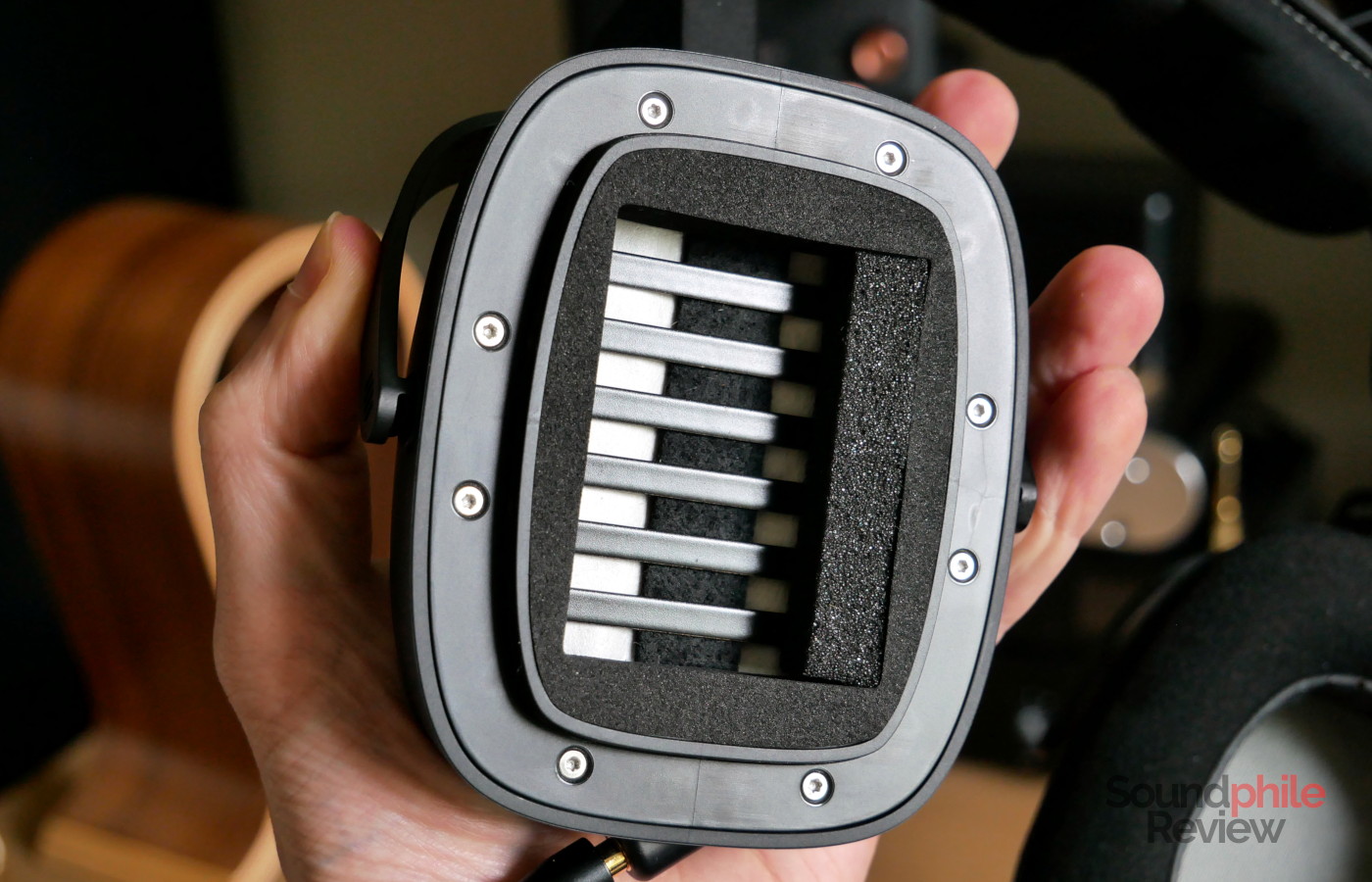
HEDD has become famous in audiophile and pro audio circles alike thanks to their innovative use of AMT – Air Motion Transformer – drivers. These are super-thin ribbons plied so that they achieve an accordion-like shape. They are renowned because their extreme thinness and light weight allows them to deliver super-fast transients and lots of micro-details. HEDD has pioneered the use of AMT drivers in headphones since 2019, when they introduced their first model, the HEDDphone. A second model has come out since, and the new HEDD HEDDphone Two GT are, according to the company, “what a Gran Turismo is to a race car” – although “GT” in this case stands for “Grandest Tuning”. A rather grandiose claim which, however, stands up to scrutiny: the HEDDphone Two GT are among the most interesting high-end headphones out there. Let’s see why.
Disclaimer: I received a unit on loan from HEDD’s distributor in the UK, KS Distribution. The HEDDphone Two GT retail for $2,199 / £1,921. Additional information on the official website.
TL;DR: recap
| Pros |
Cons |
| + Excellent build quality
+ Ingenious strap adjustment system + Fantastic overall warm-neutral tuning + Great treble, even for sensitive folks + Good technical ability |
– Headband is hard and uncomfortable
– Treble can be |
Rating: 9/10
Packaging & Accessories
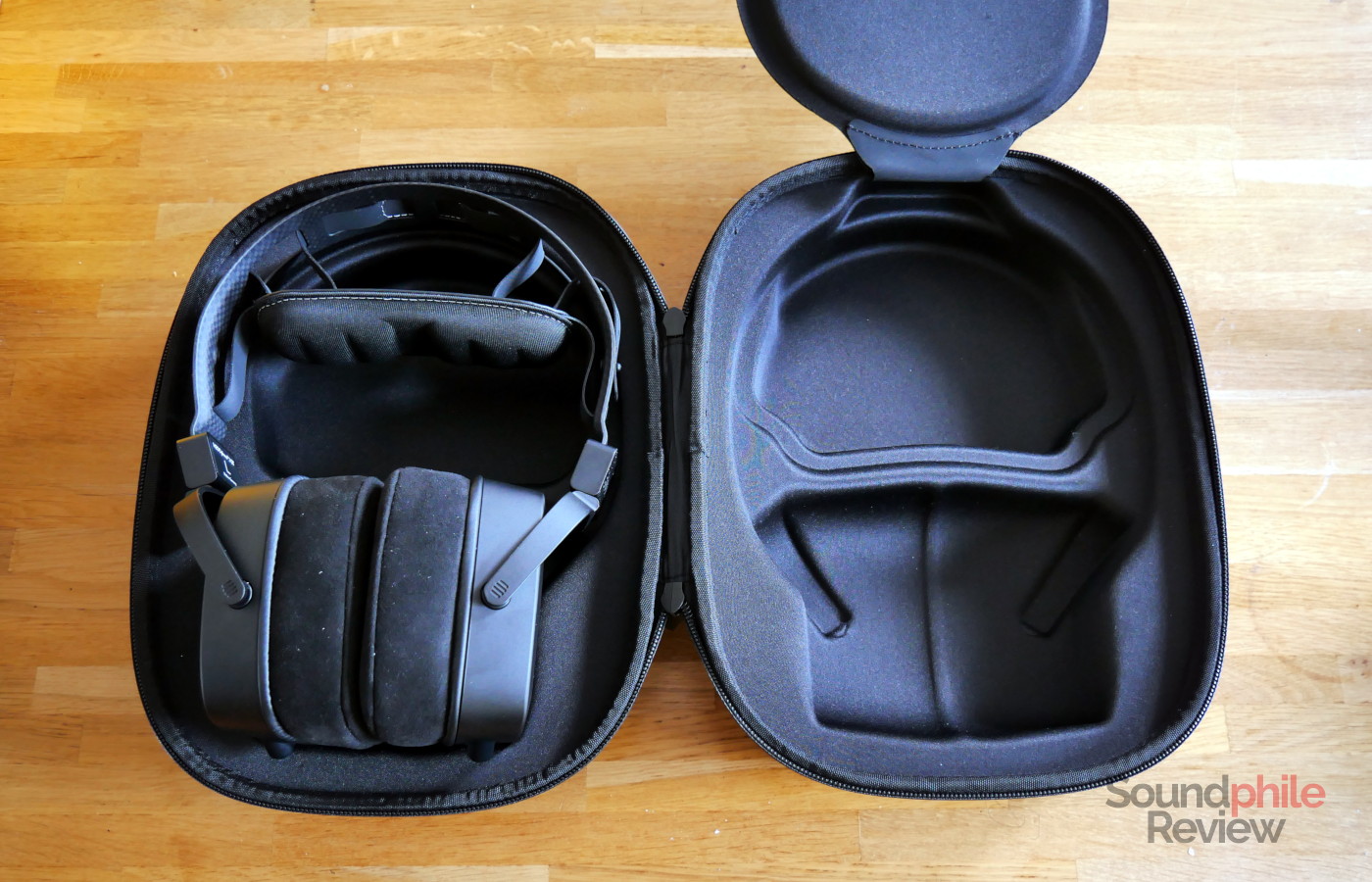
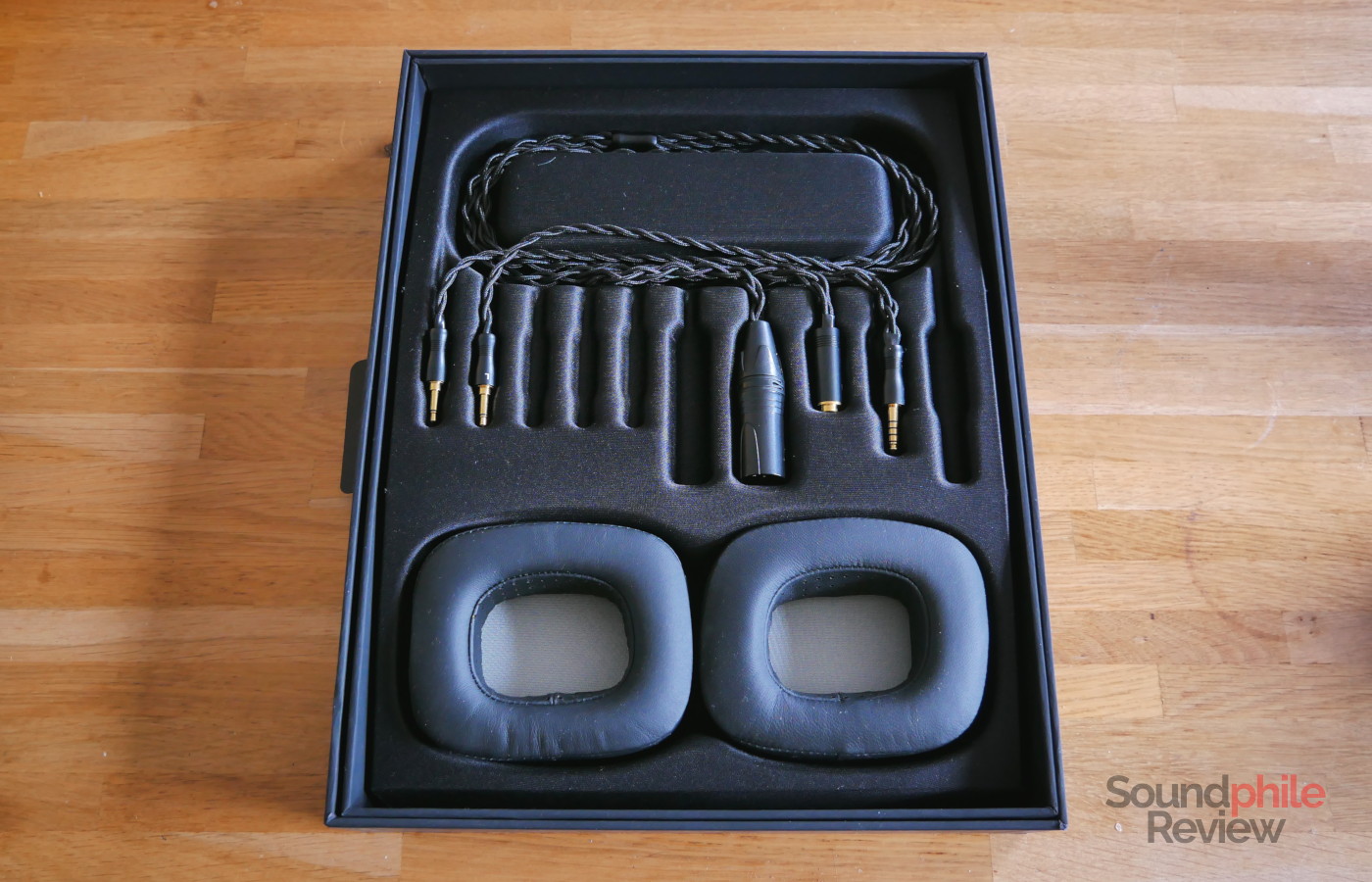
HEDD has packed the HEDDphone Two GT in a massive box which is divided into two drawers: the first, which is the bigger one, contains the headphones themselves inside a rigid carrying case, in turn containing a warranty card (valid for five years, which is well beyond the industry average) and a “first steps” card with a QR code redirecting you to HEDD’s website. There is also a practical compartment where you can stow away the cable. The second drawer contains all the accessories: there are two 1.6 m cables, one with a balanced 4.4 mm jack termination and the other with an unbalanced 6.3 mm jack termination, as well as two adapters, one from 4.4 mm to XLR4 and the other from 6.3 mm to 3.5 mm, as well as a second pair of earpads in leather.
Design & Comfort
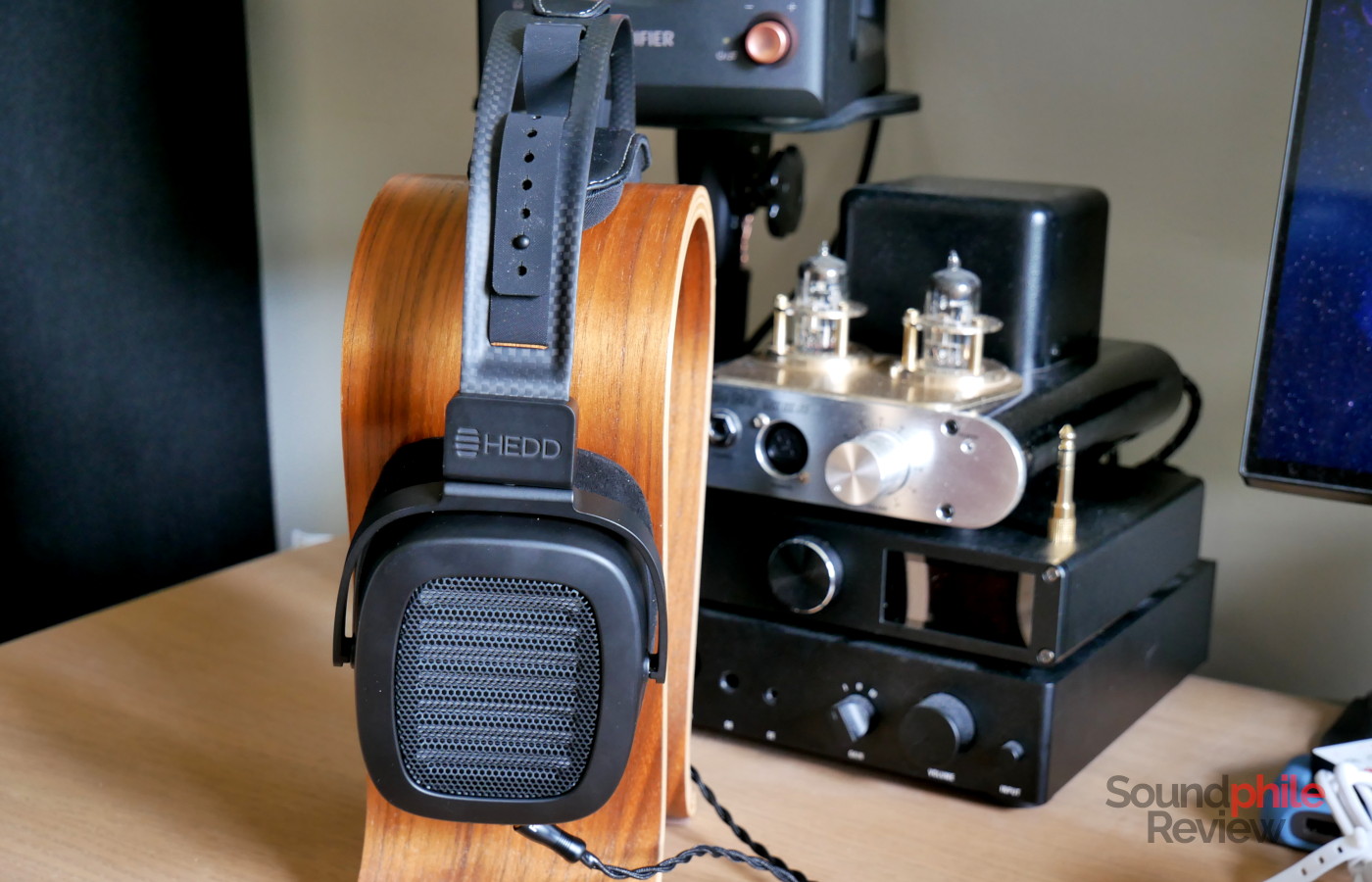
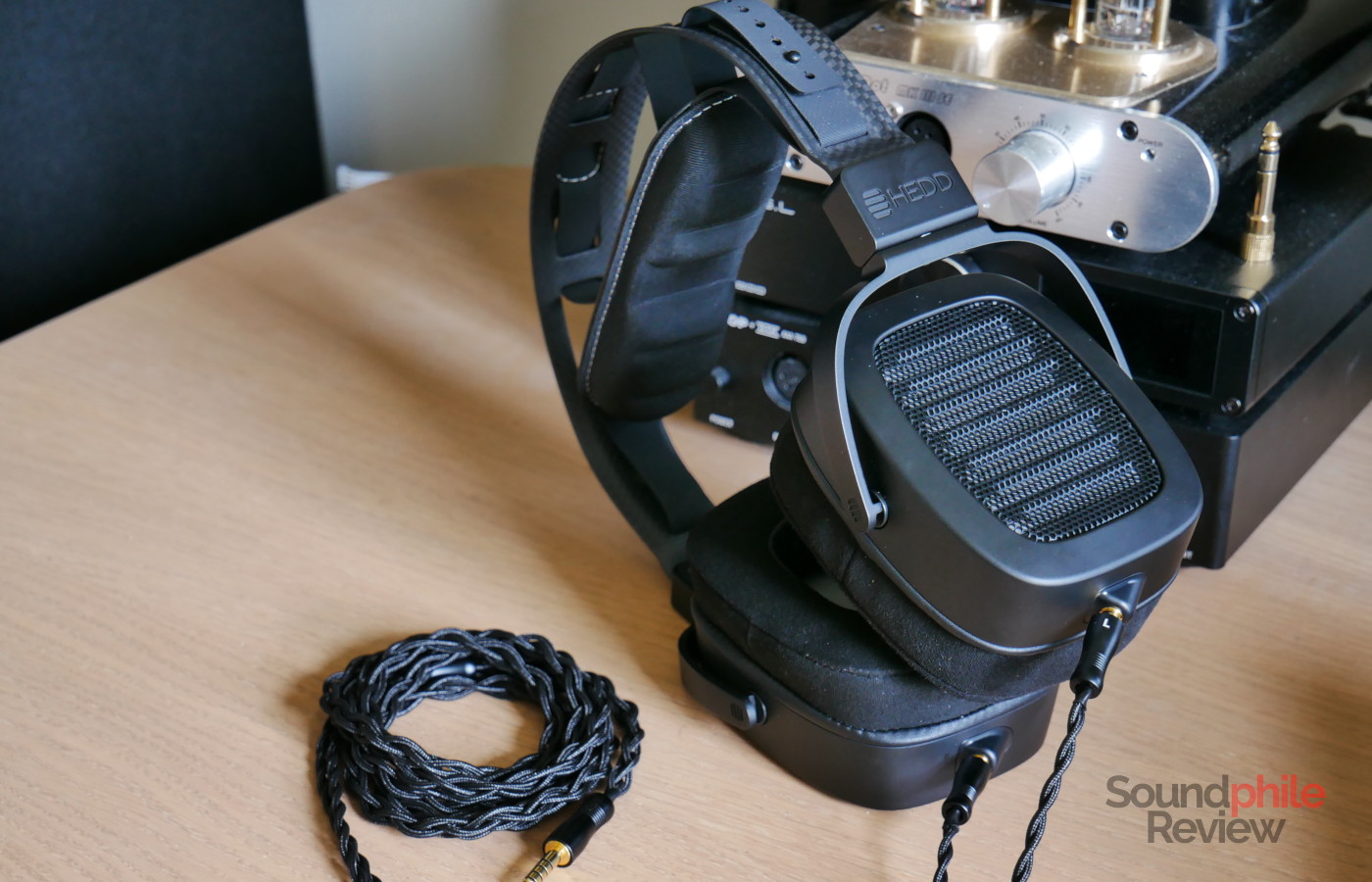
The HEDD HEDDphone Two GT certainly do not shy away from approaching design in a unique way: the headphones are among the most distinctive on the market due to their boxy appearance. The earcups are almost rectangular, with slightly curved sides and rounded corners, and they’re almost as thick as they are wide, giving them a box-like look. Despite this, I feel like they actually sport some great design: the open side shows the distinctive design of HEDD’s AMT driver in all its glory, with the characteristic horizontal lines – so iconic that it’s part of the company’s logo.
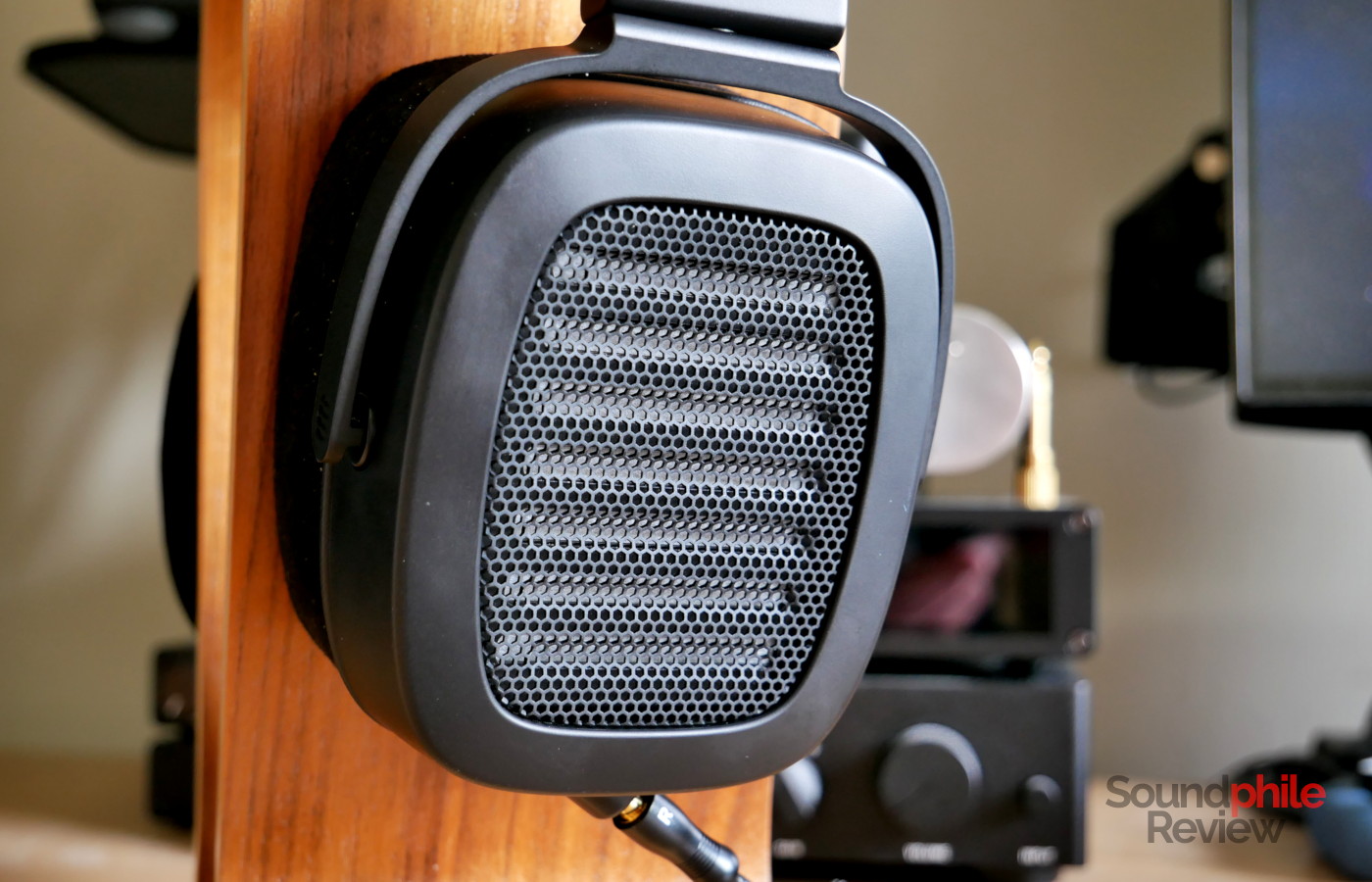
Still, I find this to be an acquired taste: the design is very utilitarian and leaves very very little to purely aesthetical considerations. As such, everything is there for a practical reason, even though it might not be aesthetically ideal; an example of this is the complicated strap system for the headband. This is a very subjective matter, however, on which each person needs to make their own judgement.
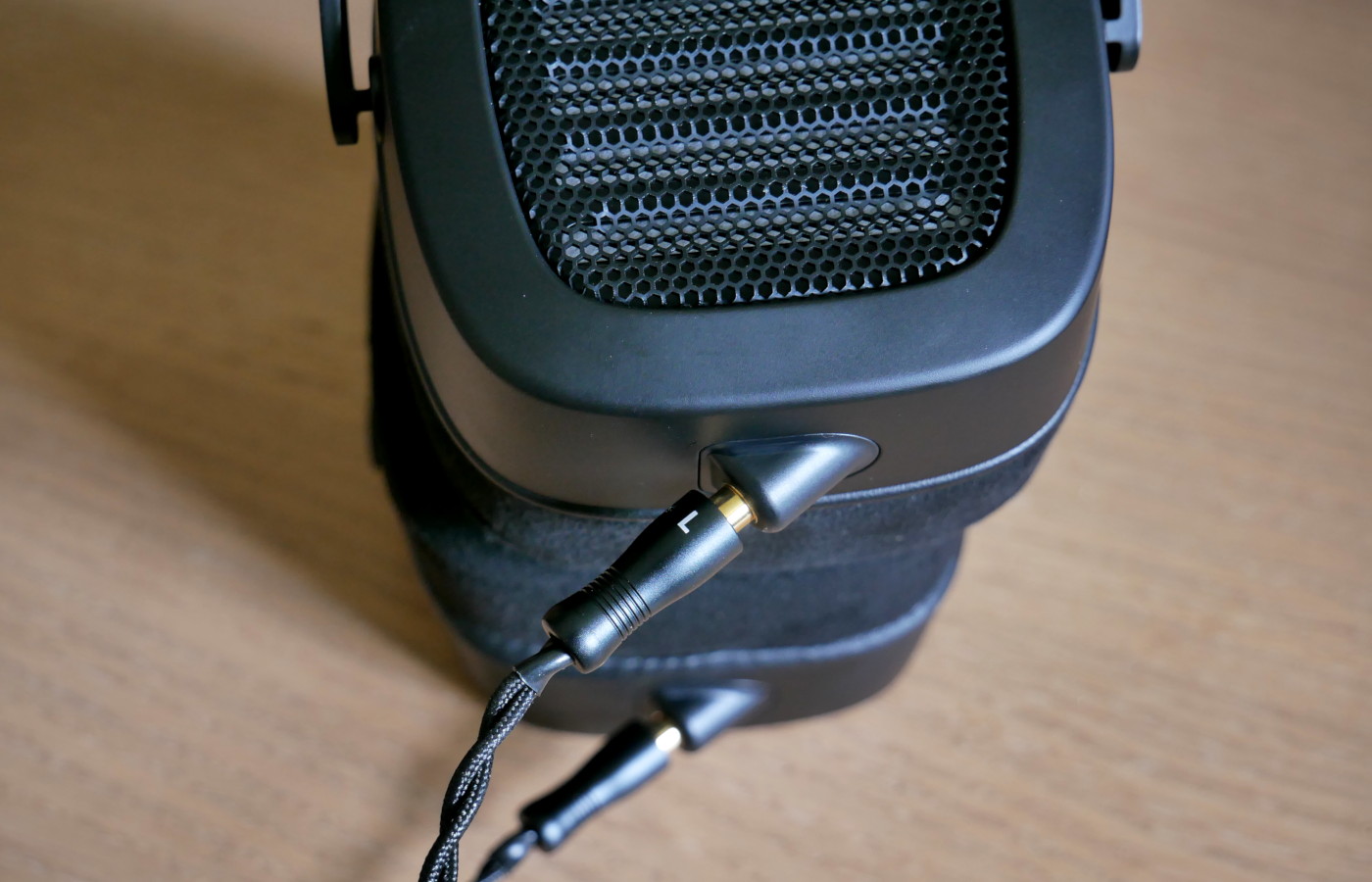
In terms of build quality, the HEDDphone Two GT stand out for being incredibly well built. They use a variety of materials, each where it makes most sense: plastic for the earcups, which need to be light and don’t need to sustain a lot of pressure or stress; metal for the gimbals, which need to be strong to sustain the pressure from wearing the headphones; and carbon fibre for the headband, which needs to be lightweight and flexible.
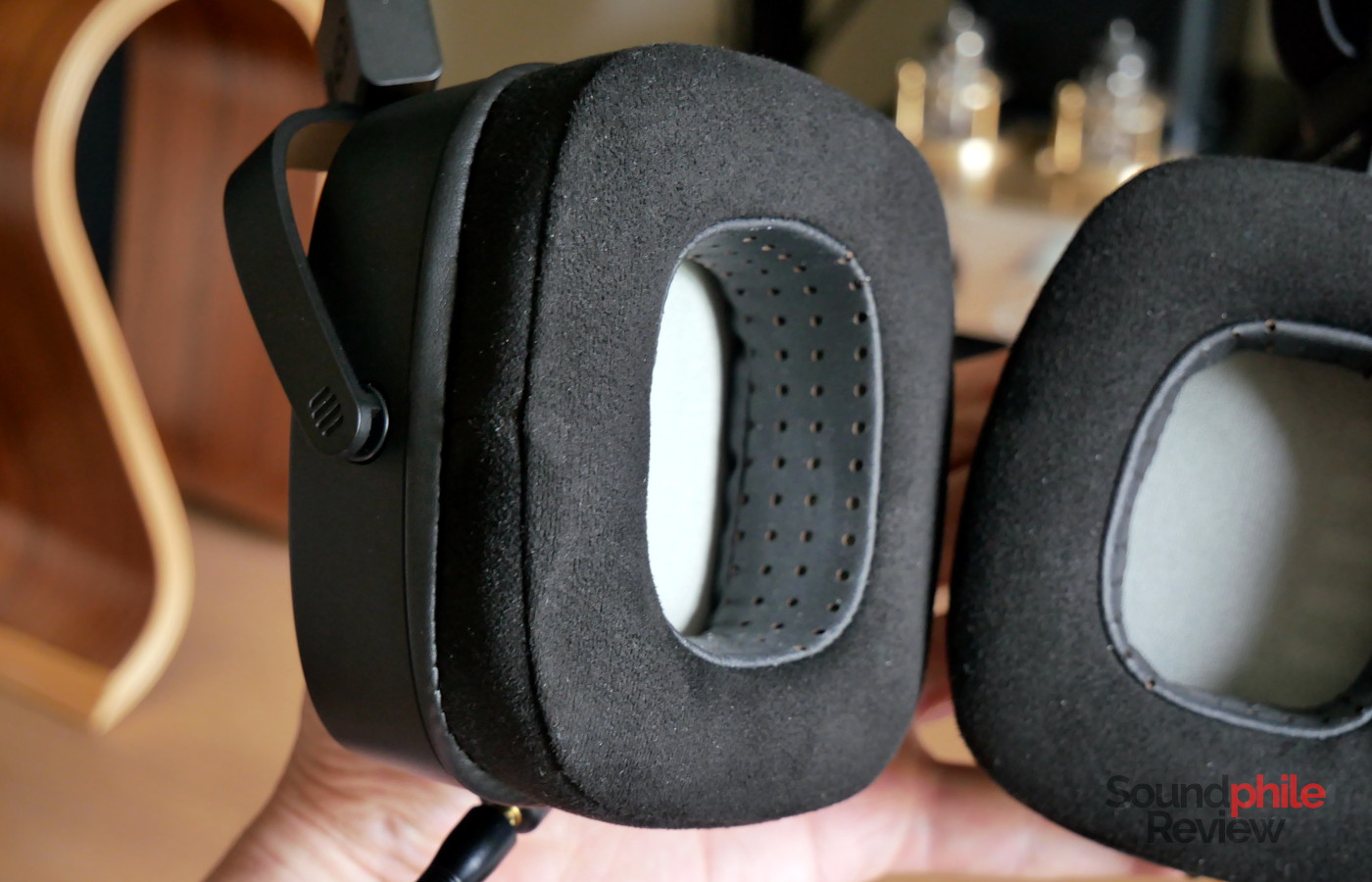
The earpads are either made of velour or leather, and they contain a plastic frame that allows attaching them to the earcups; simply pulling them away gently does the trick to remove them (and, likewise, pushing them gently secures them in place). The assembly is flawless and every component looks manufactured to the highest standard.
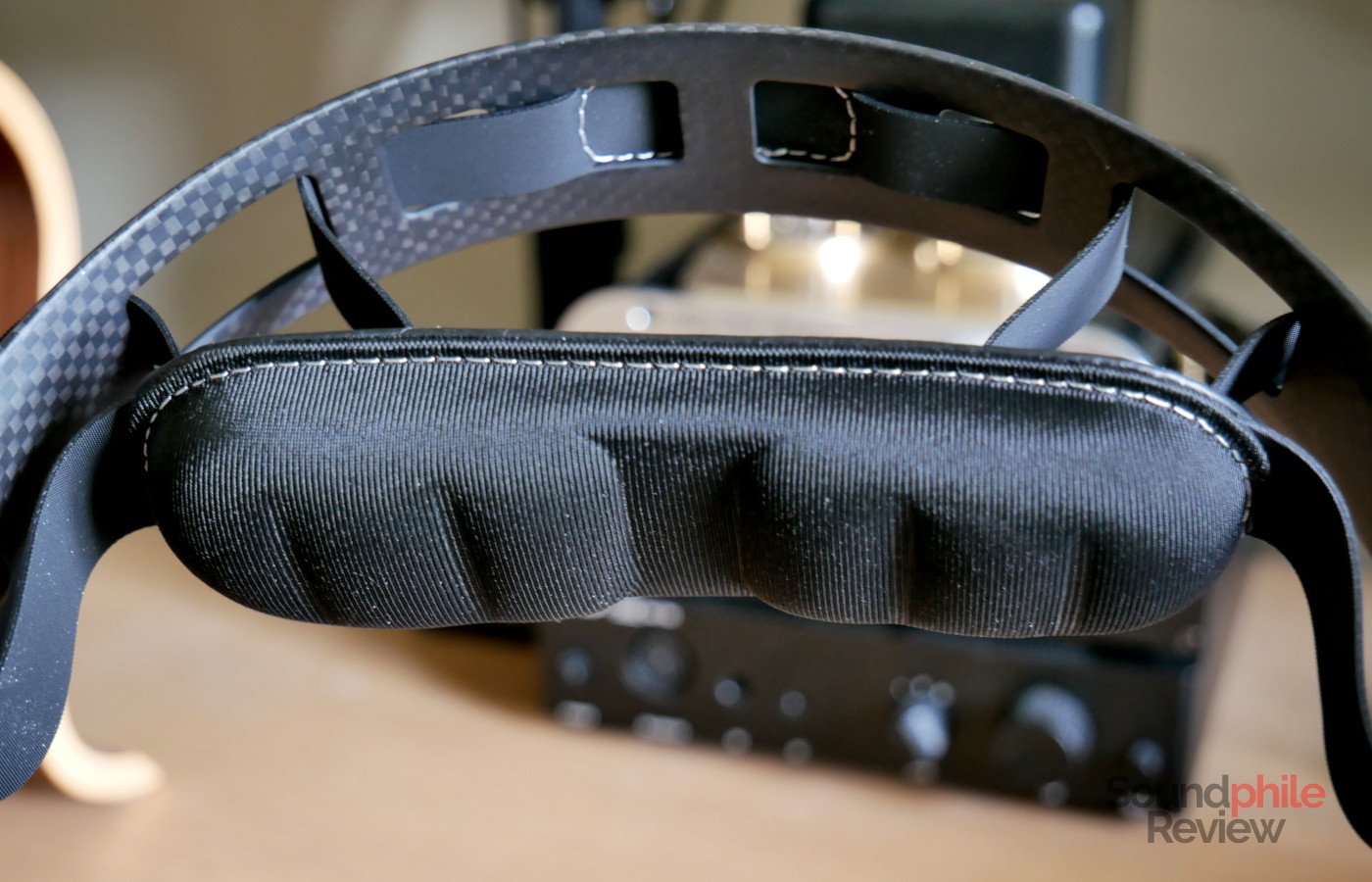
Despite weighing in at 550 g (excluding the cable), the HEDD TWO GT are surprisingly comfortable. The strap and the lateral pressure, which always feels gentle, do wonders in making the weight feel much less than it actually is. Still, the headphones are a long way from being considered “comfortable” in general terms. The suspended headband feels quite stiff, as it is made of foam that doesn’t really deform to adapt to the skull; this also means that, as it has several bumps on it, it creates individual pressure points there that become fatiguing over time, rather than distributing the weight more evenly across the skull. I need to reposition the headphones every half an hour or so, which is not a great result. Just like with the HEDDphone D1, the foam being used is too stiff to offer good comfort. A wider and softer strap would have helped in reducing the feeling that these headphones wear over half a kilogram. On the other hand, and just like with the D1, the earpads are very soft and comfortable, although they also are quite warm – something to keep in mind if you live in a warm climate. They’re also relatively small and I found that they don’t play nice with glasses due to this, as they tend to push the glasses forward.
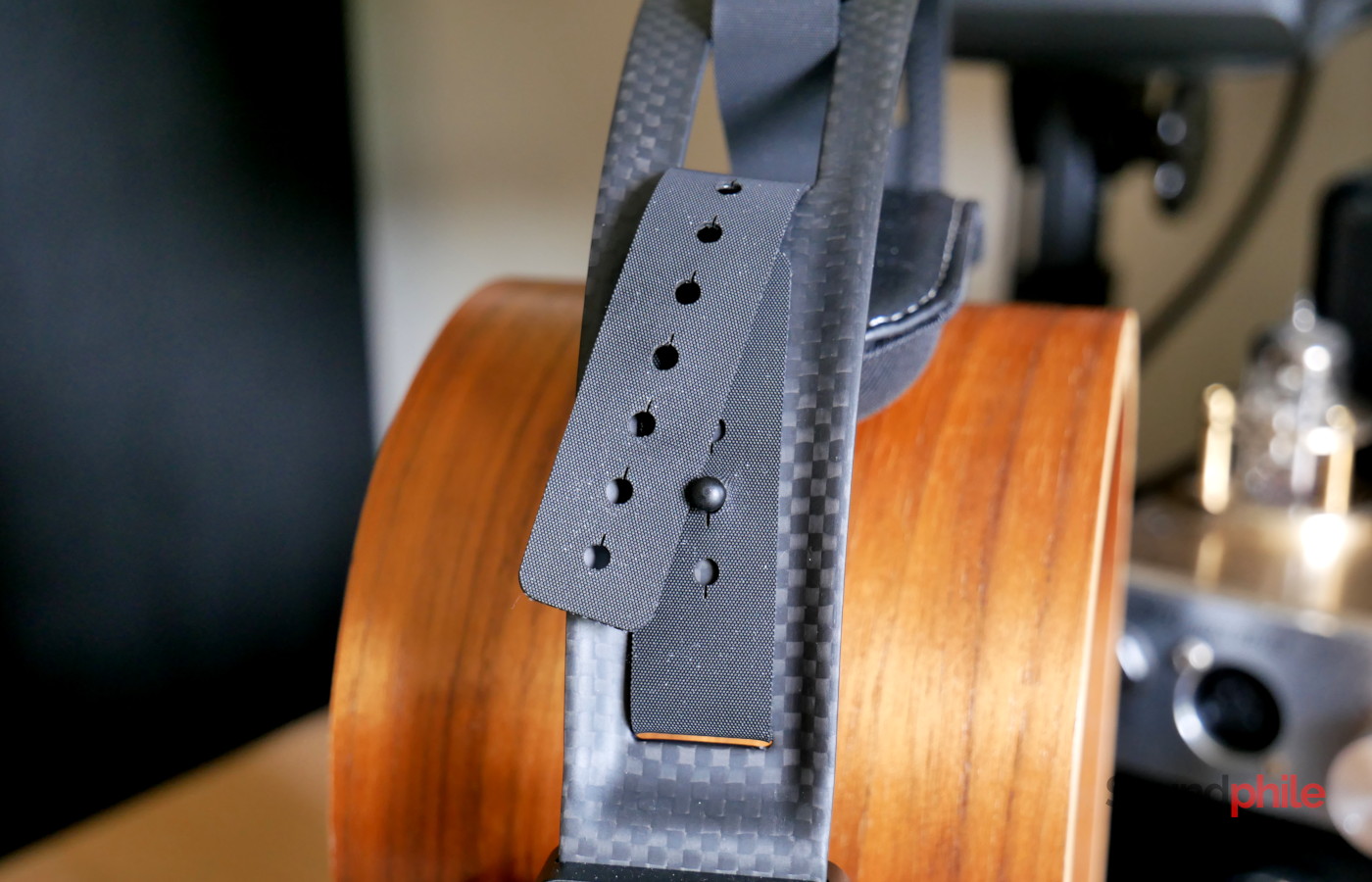
The design for the headband and strap, which the company calls the “HEDDband”, is quite complicated and not exactly intuitive, though very well engineered. There are two ends on each side, one on the top and one on the bottom: the bottom one adjusts lateral pressure if you leave the top one untouched, whereas the top one regulates vertical pressure. Moving both of them at the same time leaves lateral pressure unchanged while moving the sitting position up or down. It takes some fiddling and experimenting, but it allows you to get just the level of comfort you want in a way that traditional suspended headband designs do not allow.
Isolation is nihil both ways, meaning that you will hear everything coming from the outside world very clearly and people around you will hear what you are listening to if the volume is high enough.
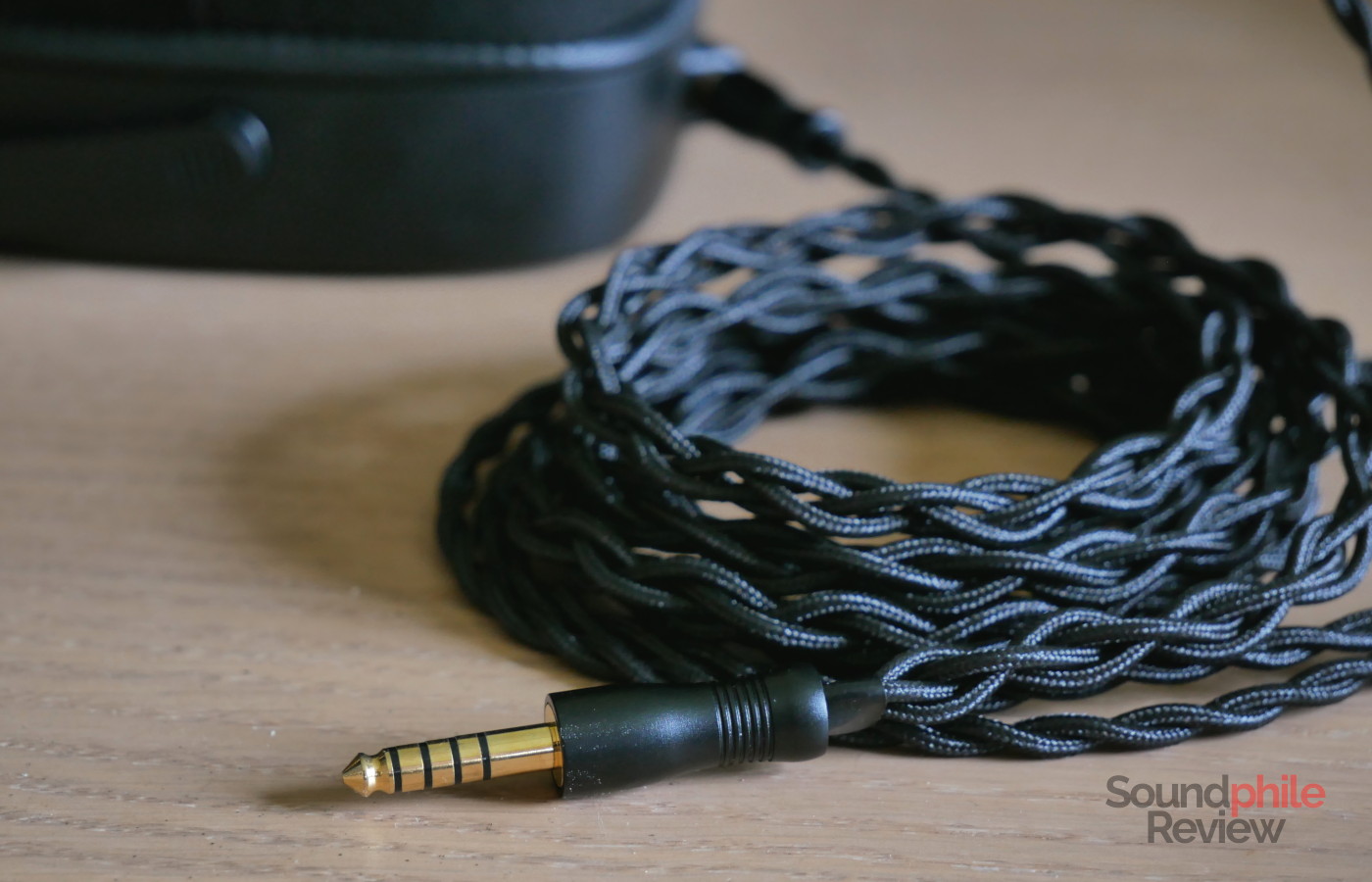
The cable is very well made and it is, in fact, one of the best stock cables I have ever seen. It has four cores, each individually sleeved in fabric, which are braided between the jack and the Y-split and then twisted until the 3.5 mm jacks on the headphone side. It is incredibly soft and malleable, with no kinks whatsoever and no memory either – it doesn’t tend to coil at all. The casings are all made of metal and they also feature a small strain relief. There is also no microphonics at all, which is quite remarkable.
Sound & Specs
I tested the HEDD HEDDphone Two GT with several different DACs and amps, including an SMSL DO400, a Soundaware MDAT3 and a Hidizs AP80 PRO MAX.
HEDD HEDDphone Two GT |
| Frequency response | 10 – 40,000 Hz |
| Impedance | 41 Ω |
| Sensitivity | 88 dB |
One of the peculiarities of AMT drivers is that they have completely flat impedance and therefore do not suffer from impedance mismatch or swings as much as other driver types. At 41 Ω, the HEDDphone Two GT is fairly easy to drive, whereas the 88 dB of sensitivity mean that your amplifier will need a bit of power on tap. The company claims that it should have a minimum of 200 mW and, ideally, at least 1 W of power, but that figure seems excessive as you will be able to drive the HEDDphone Two GT with virtually anything out there. I’ve tried using devices with (relatively) low power, such as the AP80 PRO MAX, and found that I didn’t need to get anywhere near the maximum level to get a decent
HEDD provides both velour and leather earpads in the box. In my testing, the two do not make a difference at all in terms of frequency response, which is quite unusual given how pads normally have an outsized influence on how headphones sound.
Soundstage on the HEDDphone Two GT is relatively narrow and it gives me the impression of instruments being close to my ears, while also playing in a moderately large room. Unfortunately there is virtually no depth, and it sounds to me like instruments are always to my sides, and never in front of me. Imaging is therefore limited by this, as it places instruments very precisely (meaning, in a specific spot which doesn’t move), but it also doesn’t give you a holographic image where you have three-dimensional reconstruction of the stage – it sounds rather flat. Instrument separation is fantastic, and it is especially noticeable in complex tracks such as Snarky Puppy’s Shofukan: the guitar is clearly audible in the grand chaos at the end of the track.
Bass is presented quite peculiarly, as it is straight as an arrow from 50 Hz down to 20 Hz, but it has a relatively significant bump over that threshold, peaking at 100 Hz, before going on a gentle downward slope towards the mids. Despite the bump, mid-bass is not overwhelming and sub-bass is delivered at almost the same level of presence as the rest, which has the effect of making the bass section as a whole sound sufficiently full and deep. While overall gentle, this is still a notable departure from neutrality which has its positive effects but can also sometimes sound a bit too forward and sometimes not strong enough, depending on the track: in the aforementioned Shofukan, as an example, the initial bass line is a bit more reserved than I’d like, whereas other tracks like The Prodigy’s Smack My Bitch Up sound convincingly full. In general, bass is quite powerful and is felt clearly – key here being “felt”, as there is a good sense of physicality that is similar to that of certain planars though not as intense as on dynamic drivers; as an example of a track where this happens, Azymuth’s Avenida da Mangueiras is a great one. What really surprises here is that transients are super-fast: drums sound immediate, without the notes lingering on, which accentuates that sense of physicality I mentioned earlier. As a corollary of this, details are also very abundant and make bass heavily textured – as you can hear in Snarky Puppy’s Sleeper, around 4:30.
As a consequence of that bump in the mid-bass area, midrange exhibits some warmth due to the additional presence up to 200 Hz. This added emphasis is limited enough, but it definitely makes the sound as a whole warm. This is however counterbalanced by a small bump in the middle region (1 – 2 kHz) which brings many instruments further to the fore and makes them a bit brighter, so that everything remains very clear and clean and the warmth doesn’t become suffocating. This is further reinforced by a moderate bump in the 3 kHz region. The result is a well-balanced signature that showcases everything without ever leaving anything behind or sounding distant. While this is not a neutral signature, it is one that does not offer a lot of colouration – or, rather, offers a colouration which is very organic. The level of detail granted by the AMT driver is simply astounding and this is especially evident in the midrange. As a practical example, the movement of the pick and of the guitar strings in Snarky Puppy’s Skate U is rendered in meticulous detail which feels almost overwhelming. Again, there’s a good level of physicality which makes the ultra-fast transients sound even faster.
Treble is the one area where we find the most colouration and departure from ideal neutrality. There are, in fact, a couple of bumps: a modest one around 5 kHz and a second, much larger one which starts around 8 kHz and keeps everything elevated until about 15 kHz. This adds a lot of zing to many tracks where there are cymbals and crashes, and sometimes makes them somewhat aggressive. This is heavily dependent on the track, however, as some sound quite aggressive while others sound perfectly balanced, and there doesn’t seem to be a general rule to predict which will be which. As an example, Tio Macaco from Snarky Puppy (yes, I love them, okay?) has cymbals that are aggressive due to them being mostly around 11 kHz. Looking at treble more generally, it mostly sits in line with bass and mids and doesn’t stick out too much, delivering a well-balanced presentation. Just like with midrange, the level of detail is simply astonishing and allows you to reach micro-details even in complex, multi-layered tracks.
Final Thoughts
There’s a tendency among top-of-the-line headphones to offer heavy colouration, but sometimes a model comes out offering a well-balanced presentation. The HEDD HEDDphone Two GT are that model. While not perfectly neutral, they still offer a finely tuned balance between all the parts which is still relatively close to neutrality. It is a very specific spin on this “almost neutral” approach, as there are uncommon quirks like the mid-bass bump and the upper midrange bump, together with the mid-treble emphasis; still, it’s one that works really well altogether and which makes the HEDDphone Two GT a great all-rounder. It’s a far cry from things like the Spirit Torino Radiante and it’s closer to things like the HiFiMAN HE1000SE, except with better balance and absolutely jaw-dropping detail.
And that’s the main attraction these headphones offer. The AMT driver is insanely fast and offers a level of detail that rivals that offered by electrostatic headphones. Except you don’t need all the equipment to run those, and you get excellent bass as well. Overall, I think that the HEDDphone Two GT are exceptional headphones – as you would naturally expect from something that costs two grand – and they are so despite not being neutral while also because they are not neutral. Their colouration is very coherent and cohesive, and it works really well whatever you are listening to (mostly, unless you are sensitive to treble). It’s a distinctive signature which, however, is still relatively close to neutrality and does not become overwhelming and overdone.
HEDD managed to strike a great balance here, just like they did with the HEDDphone D1, which makes the HEDDphone Two GT one of the most interesting headphones out there, especially in its super-expensive price range.