
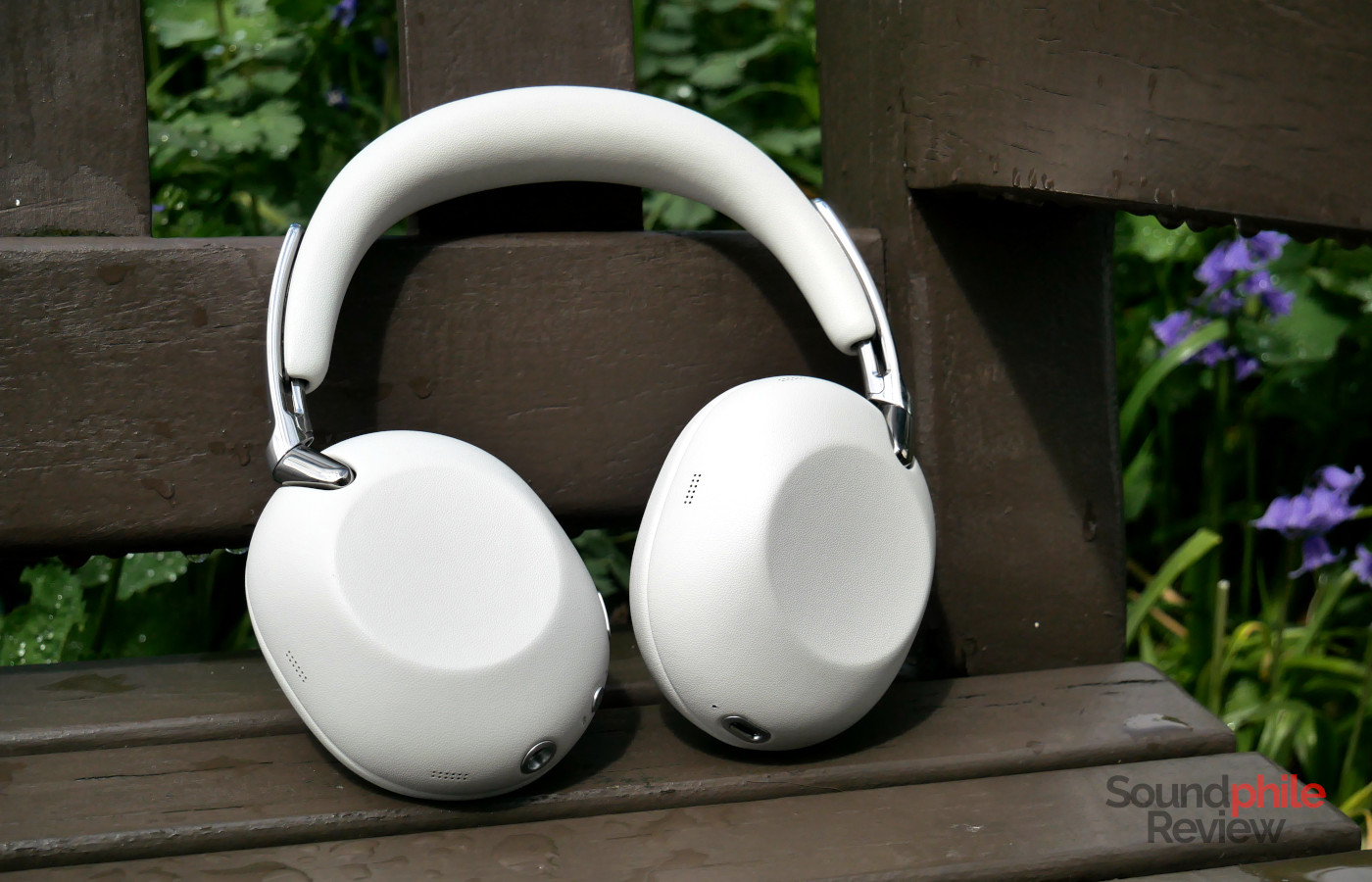
A collection is, ultimately, the sum of its parts and this is exactly the idea behind the name of Sony’s newest wireless headphones: the new Sony 1000X THE COLLEXION are making their debut on the tenth anniversary of the launch of the first Sony MDR-1000X and are meant to be the sum (or, indeed, the collection) of all the experience the firm has gained crafting wireless ANC headphones. They’re a special model that doesn’t feature in the 1000X series progression, so they are not a 1000XM7 (which will arrive at some point in the future). The 1000X THE COLLEXION are the most expensive model the firm has launched so far and are targeted at the luxury market; as such, these headphones look more at the materials and design side of things rather than to direct acoustic performance improvements. Overall, the Sony 1000X THE COLLEXION do many things right, but they also do many things wrong, too, especially if you’re looking for better sound than in previous generations.
Disclaimer: I received a free sample from Sony before the official launch for the purpose of this review. The 1000X THE COLLEXION retail for $649, €629 or £549.
TL;DR: recap
| Pros |
Cons |
| + Premium design
+ Great ANC + 3.5 mm input + Extensive list of settings in the app |
– Very specific, weird tuning
– Aggressive treble – No USB-C input – Relatively low passive isolation – Non-premium earpads – Tendency to slip off |
Rating: 6.5/10
Packaging & Accessories
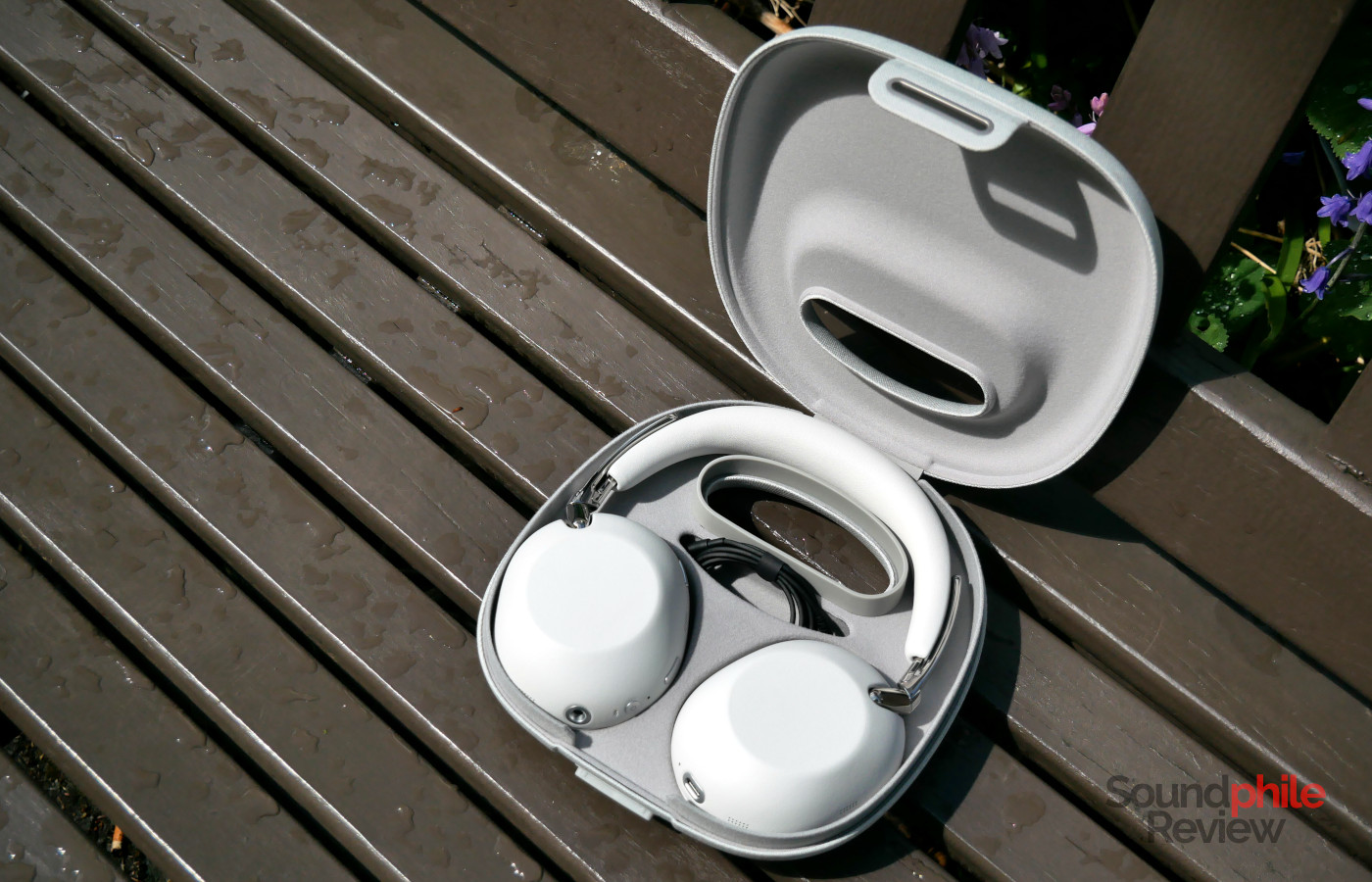
The Sony 10000X THE COLLEXION come in a cardboard box which is made to perfectly fit around the headphones’ carrying case, which in turn fits perfectly around the headphones themselves. Inside the case there is an aux cable to connect the headphones to analogue sources. The case is made of plastic coated with fabric. Although the case is quite large and will fill most bags and backpacks, a very nice touch is the fact that the space between the earcups and the headband is actually used as a handle, which makes it easy to hold and lug around the headphones.
Design & Comfort
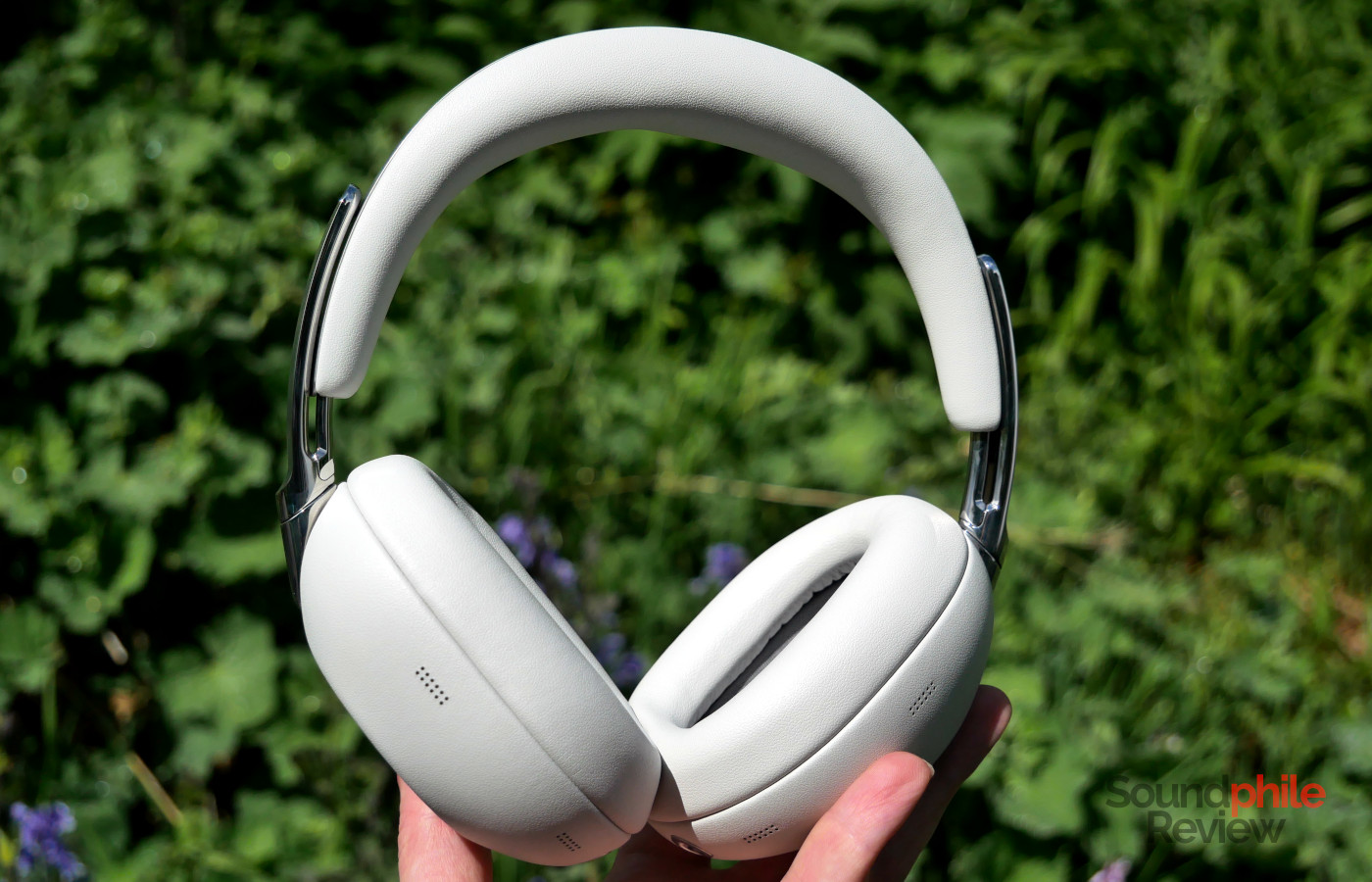
Sony approached the 1000X THE COLLEXION project as a challenge: they wanted to make the headphones thinner and more aesthetically appealing, as well as to use more premium materials. In terms of pure design, the headphones are very much in line with what Sony has done in the past decade with the 1000X line, with some tweaks that make them stand out.
The head designer for the 10000X THE COLLEXION project, Yuto Ishizu, said that the company spent two years developing a new faux leather material, with the aim of making it feel more like real leather and of making it more durable than the existing alternatives. This material has been used to cover virtually all surfaces of the headphones: the headband, the earcups and the earpads are all covered by this same material. It does look and feel more premium than normal faux leather, especially when you look at the texture, but it is still far from feeling like real leather to the touch.
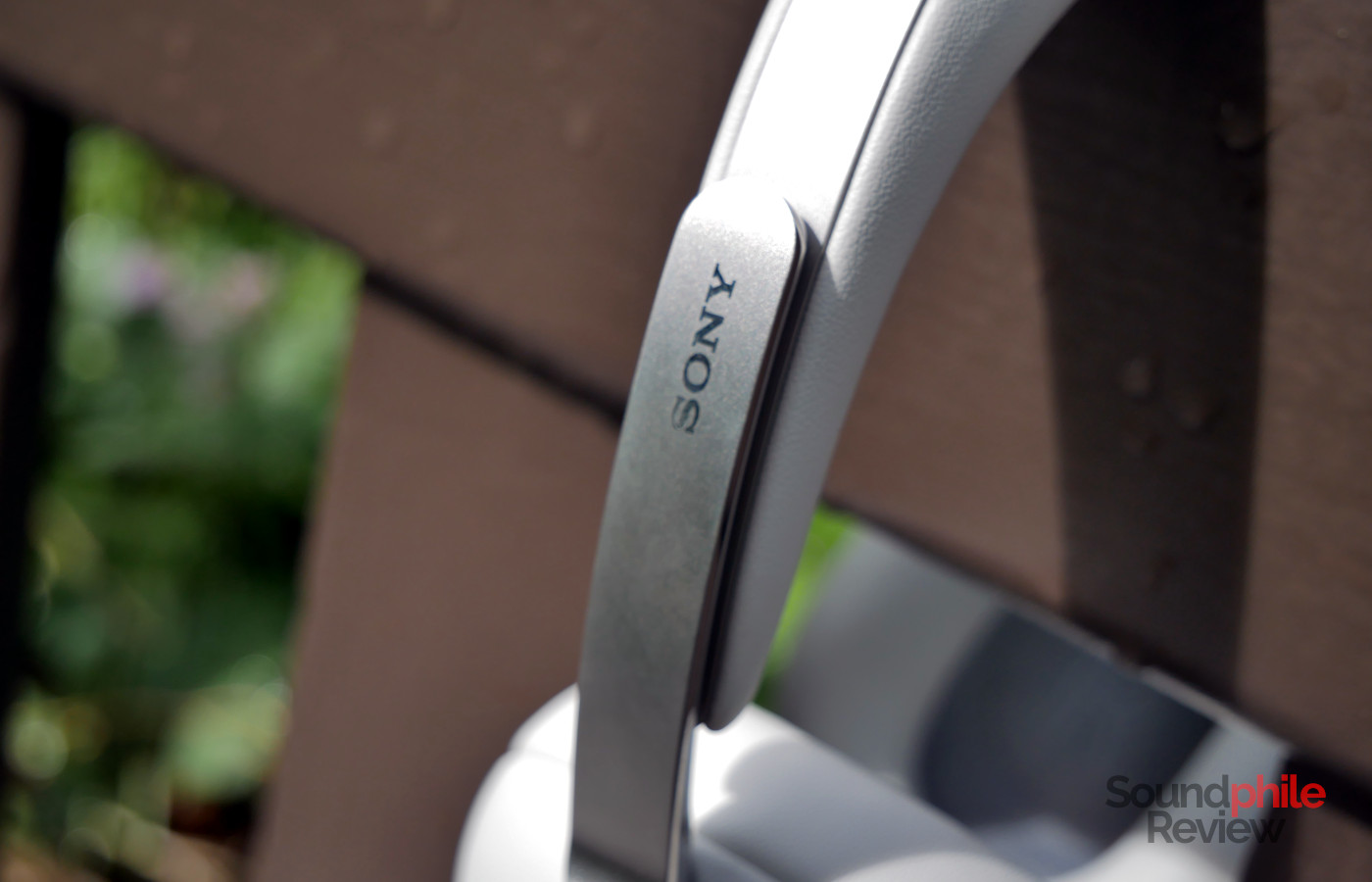
The metal bits are, however, the real differentiator and what makes these headphones look and feel like a premium product. Contrary to the previous 1000XM6 and like the 1000XM5, the 1000X THE COLLEXION feature a non-folding headband. The whole headband is made of steel, processed so that it is completely matte; the element that is attached to the earcups and slides in and out has a mirror-like finish, except for the top sliding over the headband which is matte as well, with the Sony logo standing out with its mirror finish.
One aspect that the company emphasised during a presentation to the press before the public reveal was that the 1000X THE COLLEXION are roughly 5 mm thinner than the 1000XM6, at 40.1 mm (vs 45.4 mm). The company said that this was achieved through a complete redesign of everything inside the earcups, from the materials used to the size and placement of the battery (there are now two batteries to each side of the driver, which itself has been redesigned from the ground up).
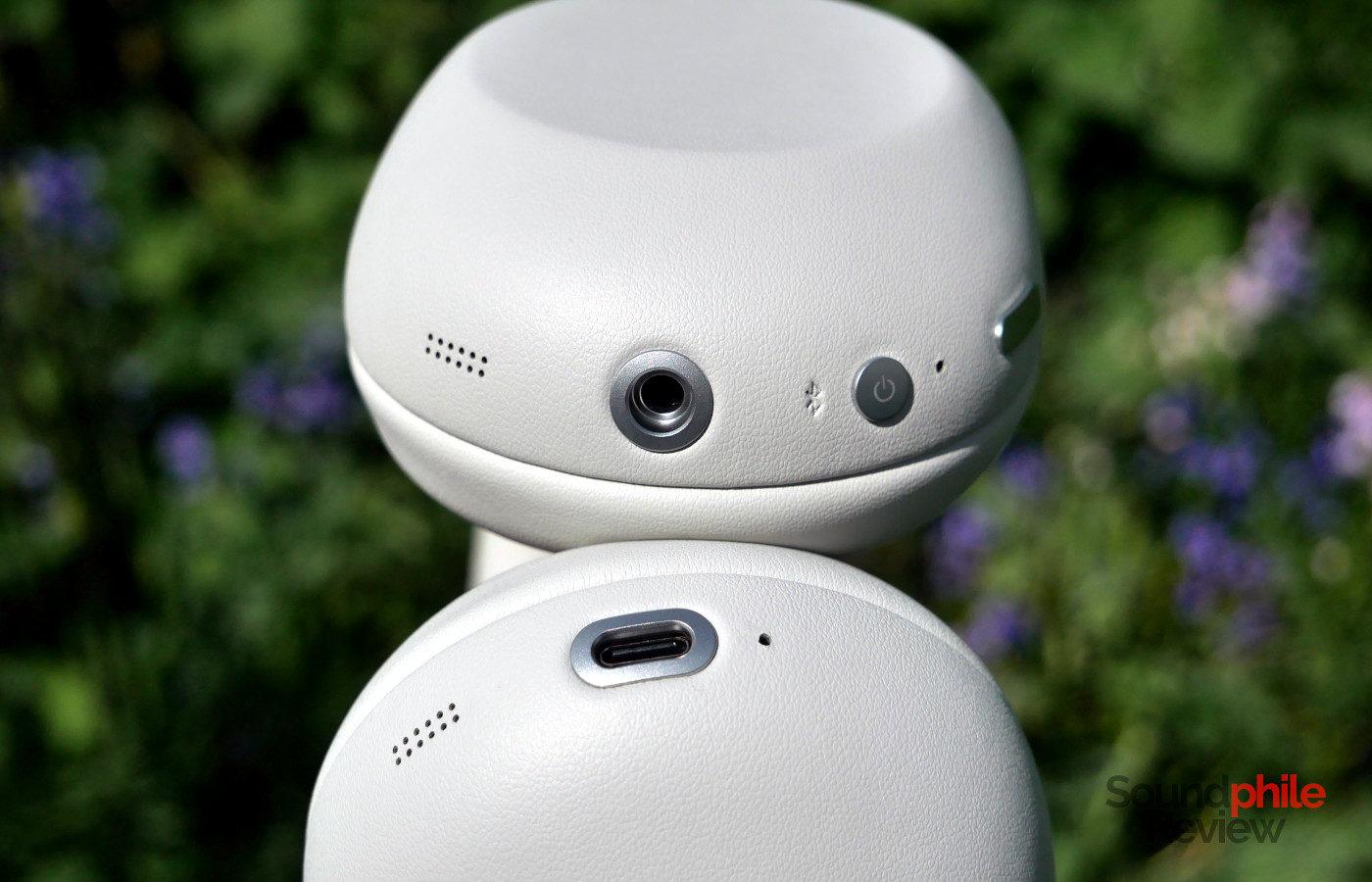
The earcup on the left hand side hosts three buttons (microphone on/off, ANC, power), as well as a status LED and a 3.5 mm jack socket; on the right hand side we find the USB-C port for recharge and a status LED specifically for charging. Both earcups also have three sets of holes (two on the front, one on the back) to allow the microphones to pick up sounds from the outside. Both the USB-C port and the 3.5 mm jack socket are surrounded by a metal casing which should provide better longevity, as well as prevent accidental damage to the faux leather when plugging in cables.
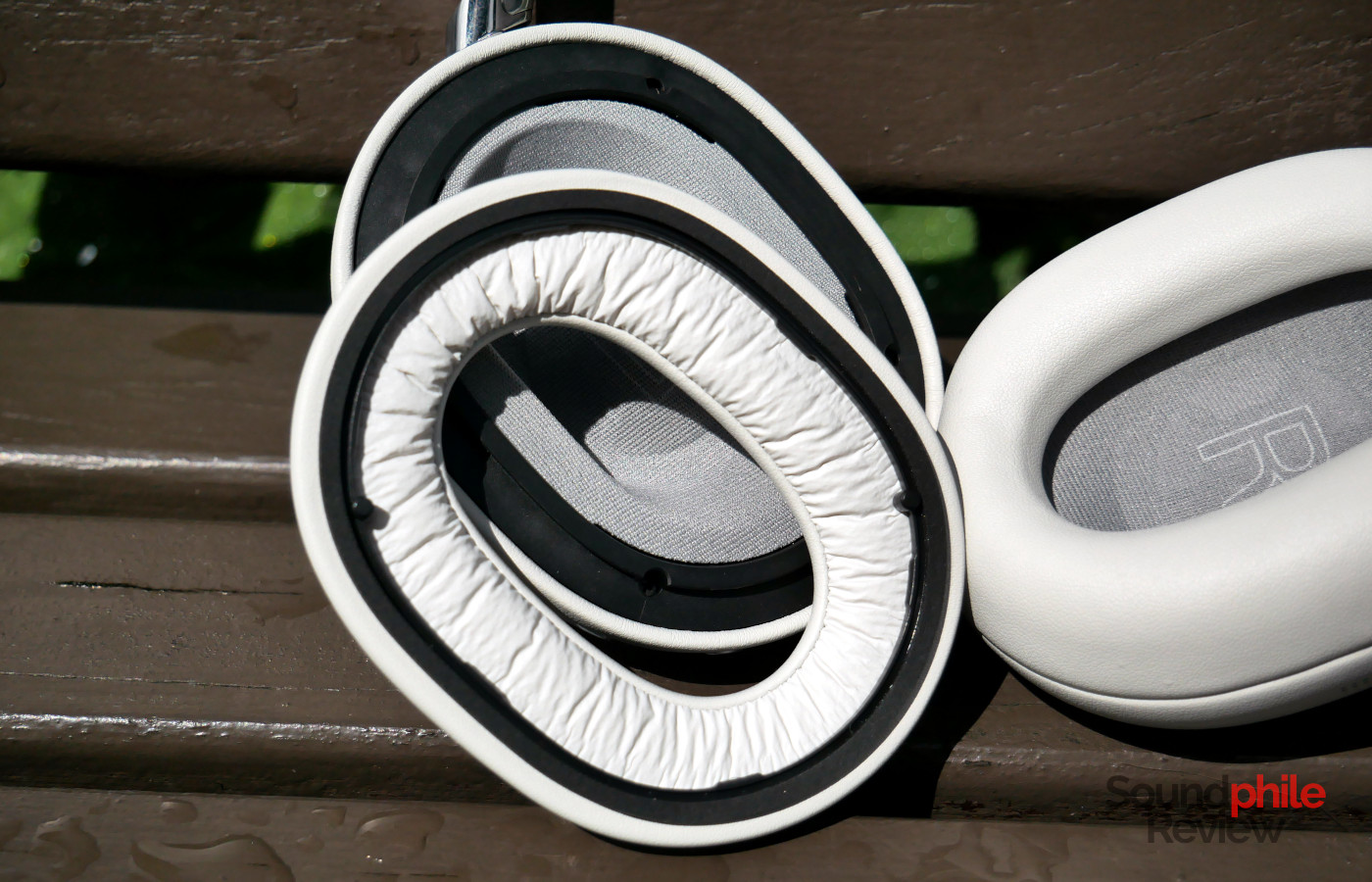
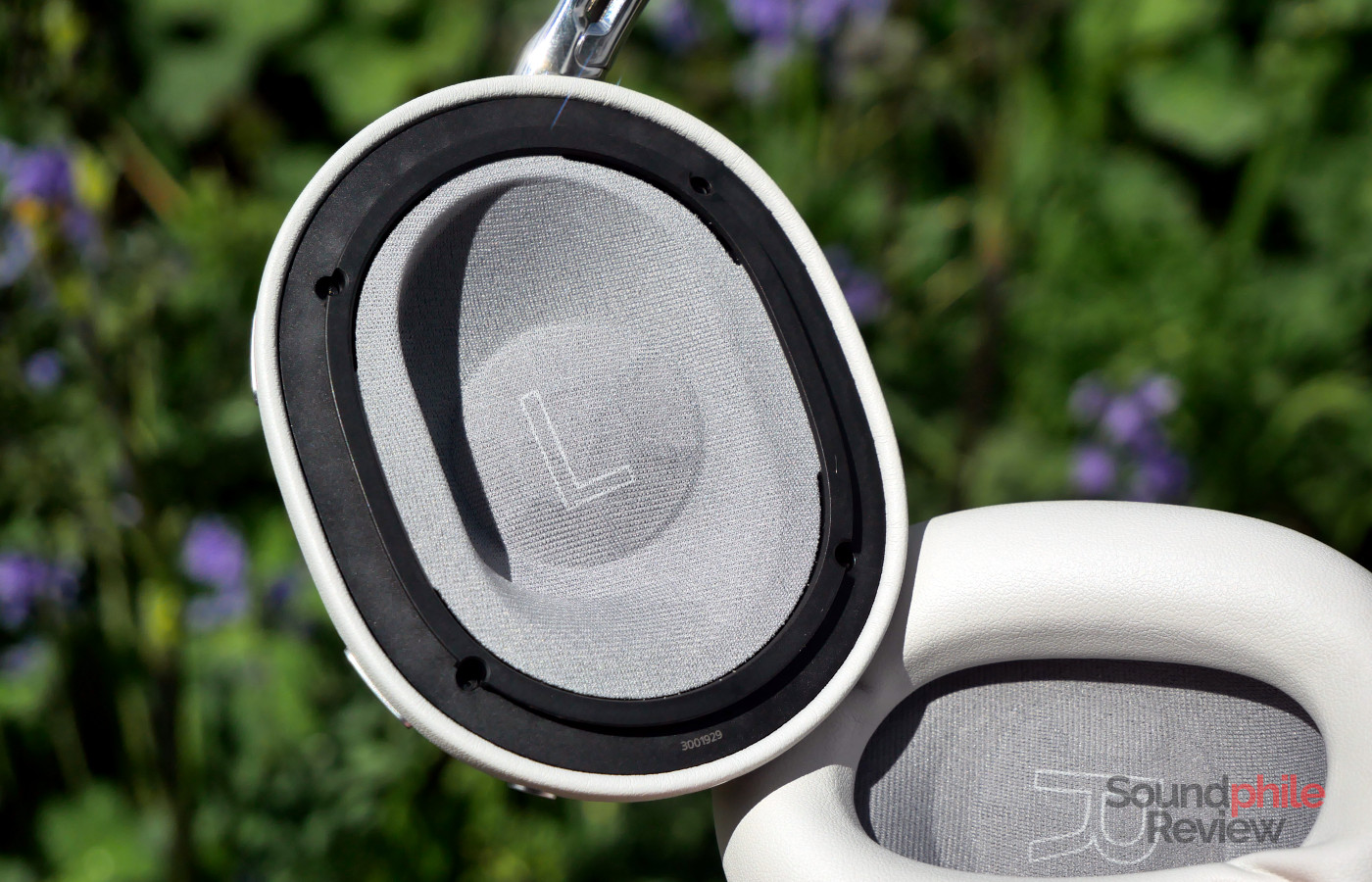
Overall, the Sony 1000X THE COLLEXION looks and feels like a premium product, with a build quality that stands out from the rest of the products on the market – at least those from “mainstream” brands. The earpads are very easily replaceable, which makes the 1000X THE COLLEXION a potentially very long-lasting product. The “premium” aura of these headphones, however, dissipates almost entirely once you actually do take out the earpads. While the ear-facing parts are made of the same faux leather as the rest of the headphones, the part that faces the drivers is made of plastic which looks and feels (and, when you move it, sounds!) quite cheap, and ruins the impression of a premium product. I’m not sure whether there is an acoustic reason for choosing this material, but I would have expected a more premium material like velvet or Alcantara.
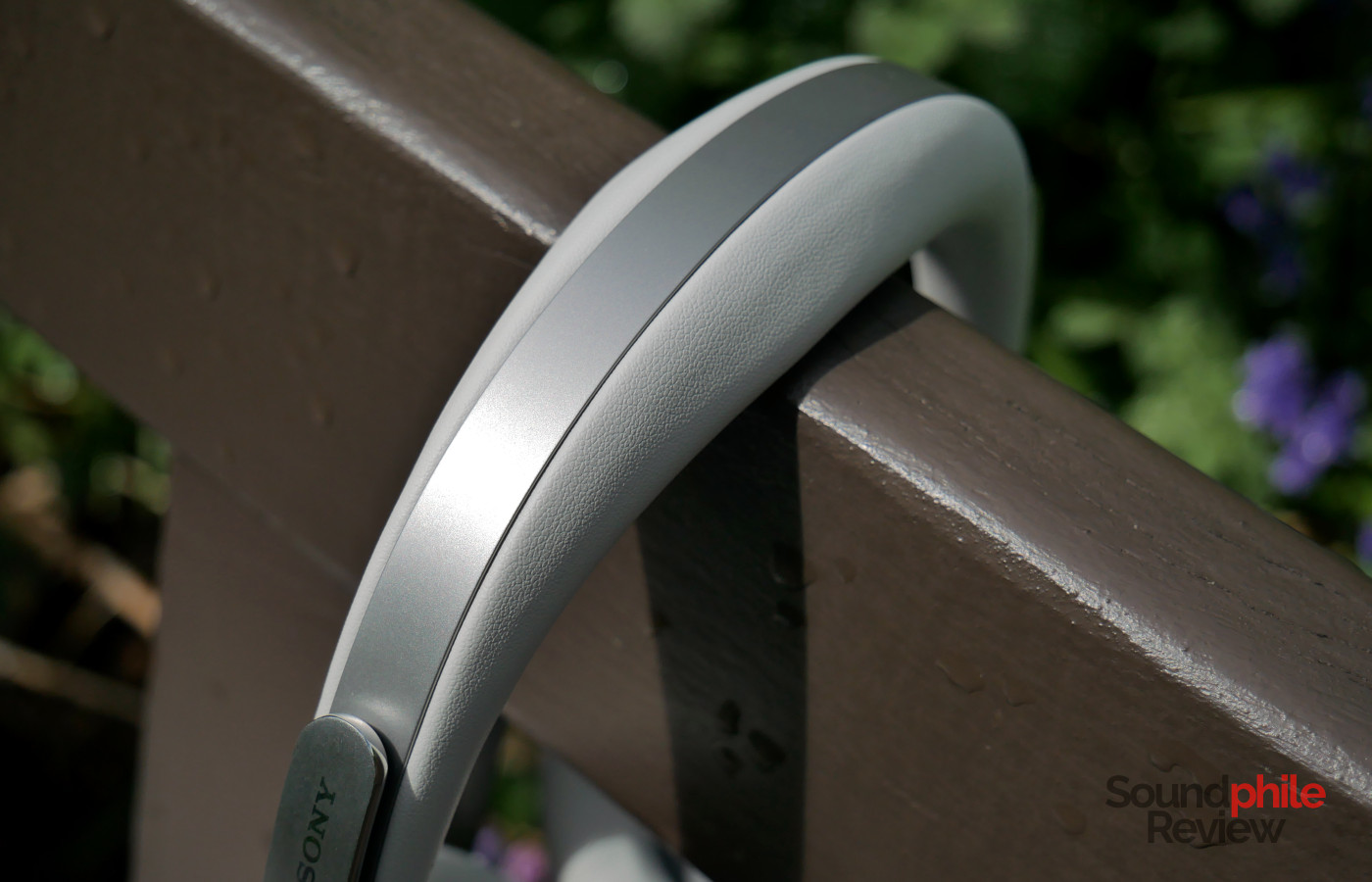
During that same presentation with the press, Sony highlighted the fact that the headband is built so that it looks sleek while also maintaining a high level of comfort. It is built with a metal top bit and a soft foam bottom that allows it to become much wider once placed on your head and therefore to distribute the weight better than it thinness would initially suggest. This makes it possible to wear the headphones for hours without discomfort: I can personally wear them for more than two hours while still feeling that my scalp doesn’t want to murder me. One thing I noticed is that the headband tends to move quite a bit, especially if you look down. These headphones are therefore far from ideal for exercise or any sort of activity where you need to move your head as they will tend to slide off your head.
Passive isolation is decent, but it is ultimately limited and doesn’t significantly impact unwanted sounds which aren’t removed by the ANC feature, which means anything above 200 Hz. Human voices are a prime example, as they get through almost unimpeded; on a flight or train, then, you won’t hear the roar of the engines or of the air around the coach, but you will hear everyone around you talk.
Extra Features & Battery Life
Given how Sony developed the LDAC codec, it’s no surprise that the company’s offering support for it on its flagship. In fact, the 1000X THE COLLEXION feature compatibility with Bluetooth 6.0 and the SBC, AAC, LDAC and LC3 codecs. The connection is relatively stable; “relatively” means that the headphones occasionally disconnect and then immediately reconnect to the source device. Strength, however, is another matter, as the 1000X THE COLLEXION start struggling just 3 metres away from my computer, even without any walls in-between.
Notably, the Sony 10000X THE COLLEXION do not feature audio input through the USB-C port. This means that devices which do not support the LDAC codec, like Apple’s, de facto cannot access high-res content. It is a very surprising choice by Sony, considering that even low-end headphones like the JBL Live 680NC feature USB-C input. On the other hand, however, the company boasts that its DSEE Ultimate technology can upscale content to 24 bit / 192 kHz even when using Bluetooth. I’m not convinced of how useful this is, considering that you can’t really reconstruct things that were removed. While the possibility of using the USB-C port to get audio content directly would have been useful independently of audio quality considerations (e.g. to get better latency), the lack of hi-res connectivity is of no real concern as the differences are either null or too small to be heard, especially with the target usage of these headphones – i.e. when you are out and about, in noisy situations.
Surprisingly, at least for headphones launched in 2026, the Sony 1000X THE COLLEXION feature input through analogue cables using 3.5 mm jacks. The company told me that the signal undergoes a process of digitisation through an ADC, is processed through the DSP like the Bluetooth signal, and then is finally converted via the onboard DAC to be played by the drivers. This also entails that you will always need to power on the headphones in order to make use of the 3.5 mm jack and you can’t drive the headphones directly with an amplifier.
The 1000X THE COLLEXION feature wearing detection which allows them to automatically pause and play music when you take the headphones off and put them back. Interestingly, this feature is confined to usage with smartphones in my experience, as it would not work with my computer nor with a Hidizs AP80 PRO MAX. In fact, play and pause controls didn’t work with those either, although “next” and “previous” did.
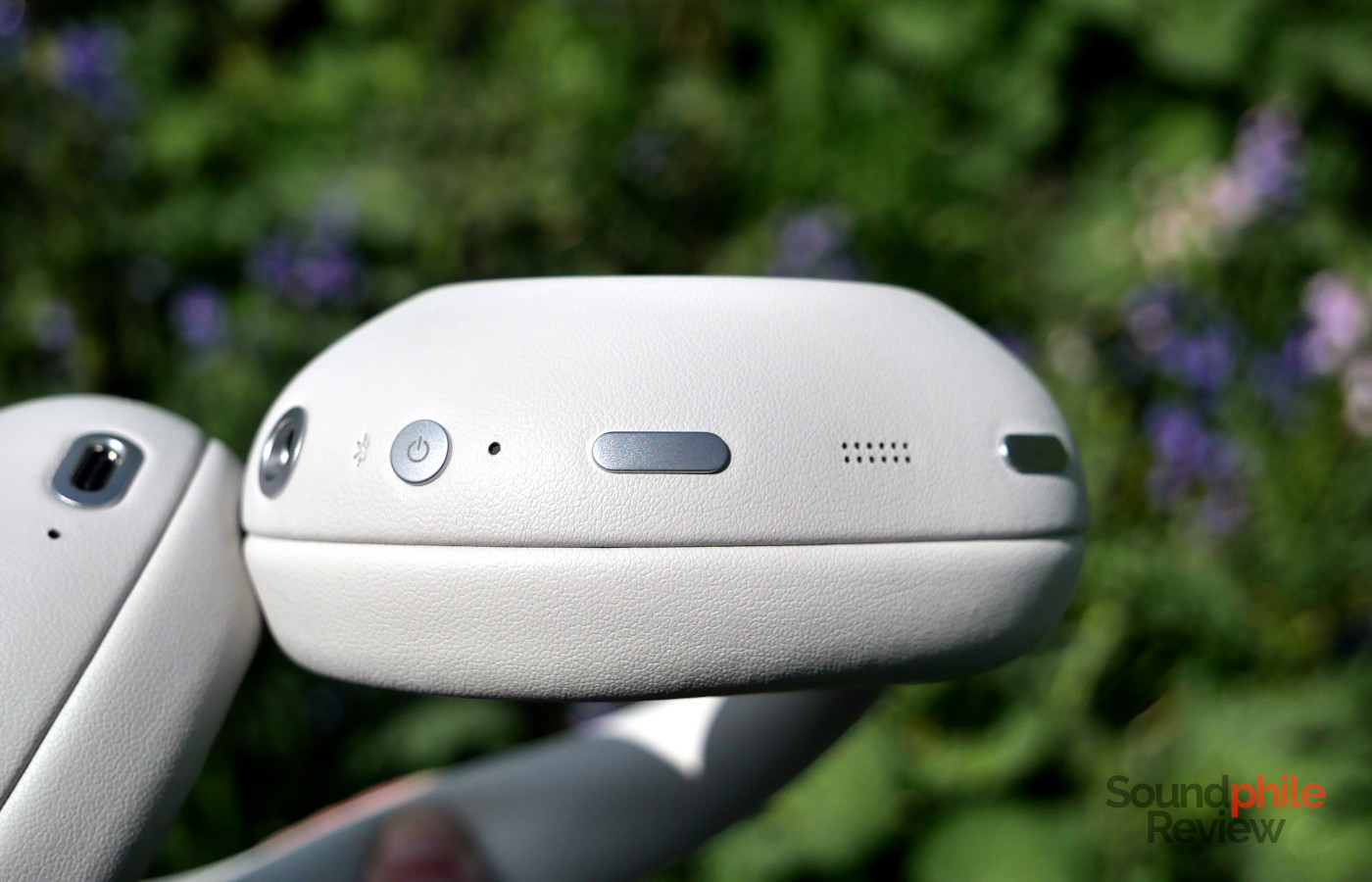
Speaking of controls, these work by tapping or sliding your finger on the earcup on the right hand side. They’re all very intuitive (slide up or down to control volume, front or back for next or previous track, double tap for play/pause) and the headphones react quickly to them, which makes them very pleasant to use.
ANC is very effective at removing low-frequency noise, to the point where it virtually disappears entirely. The roar of the jet engines of an aeroplane all but disappears; it is almost magical. What doesn’t disappear, however, is everything else: ANC does not remove the sounds from all other sources, like people’s voices or the “beep” of the subway doors announcing they’re about to close. This makes it necessary to raise the volume (sometimes significantly) anyway, as all the other sounds are not touched by ANC.
The Sony 1000X THE COLLEXION offer decent battery life; the company touts 24 hours with ANC enabled, which is significantly less than the previous 1000XM6’s 30 hours. In my experience, even when turning ANC off, battery life is less than advertised and stops at around 20 hours, which is sufficient but not class-leading. To save power, the headphones turn off automatically after 10 minutes if no audio is being played through them, and this feature can be controlled through the app.
Software
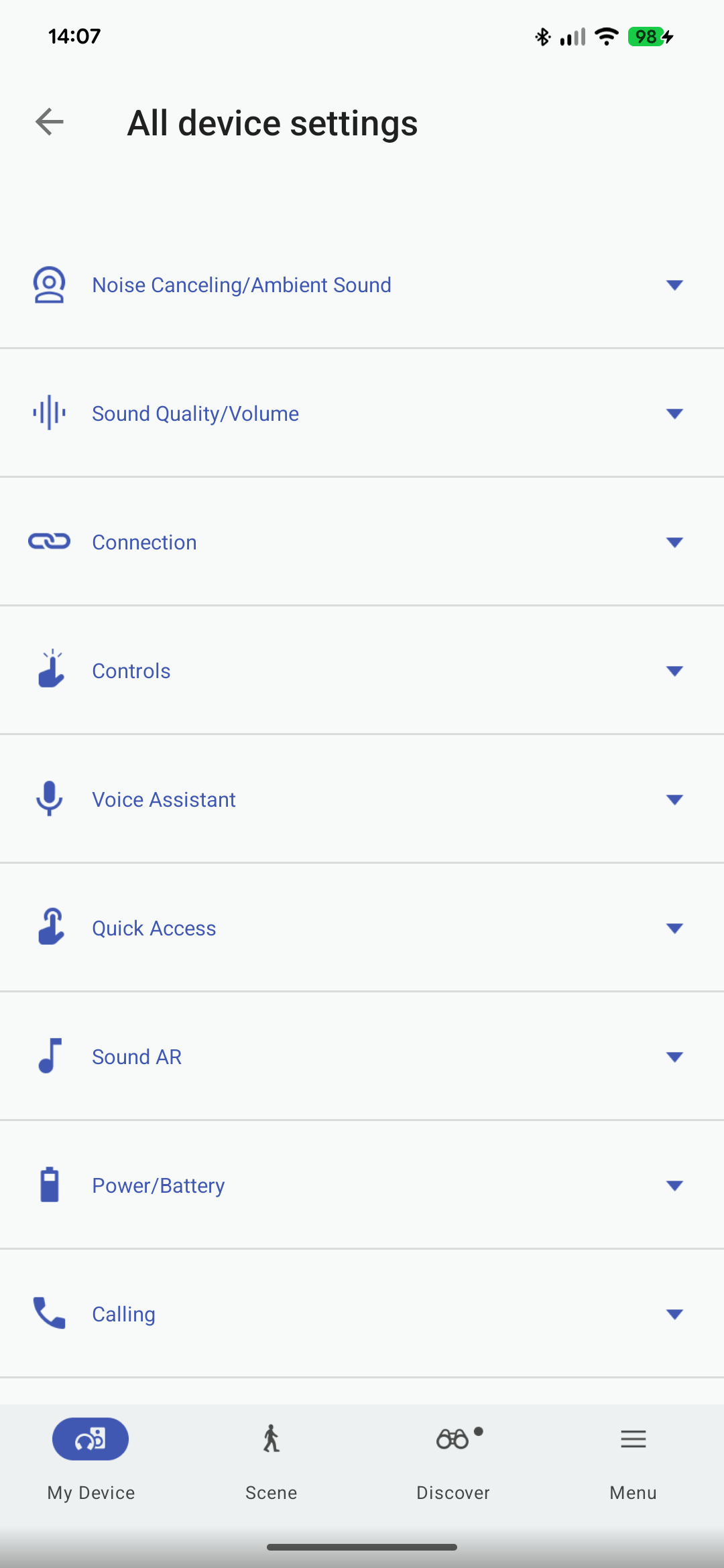
You can access a lot of features and settings by using Sony’s Sound Connect app, which is available for both Android and iOS. The app allows you to control a humongous amount of settings: noise cancelling, sound settings (we’ll get there in a moment), connectivity, controls, voice assistant, quick access to preferred music service (Amazon Music, Endel, Spotify, YouTube Music), sound augmented reality (Ingress Prime), power management, calling and firmware update as well as other system settings.
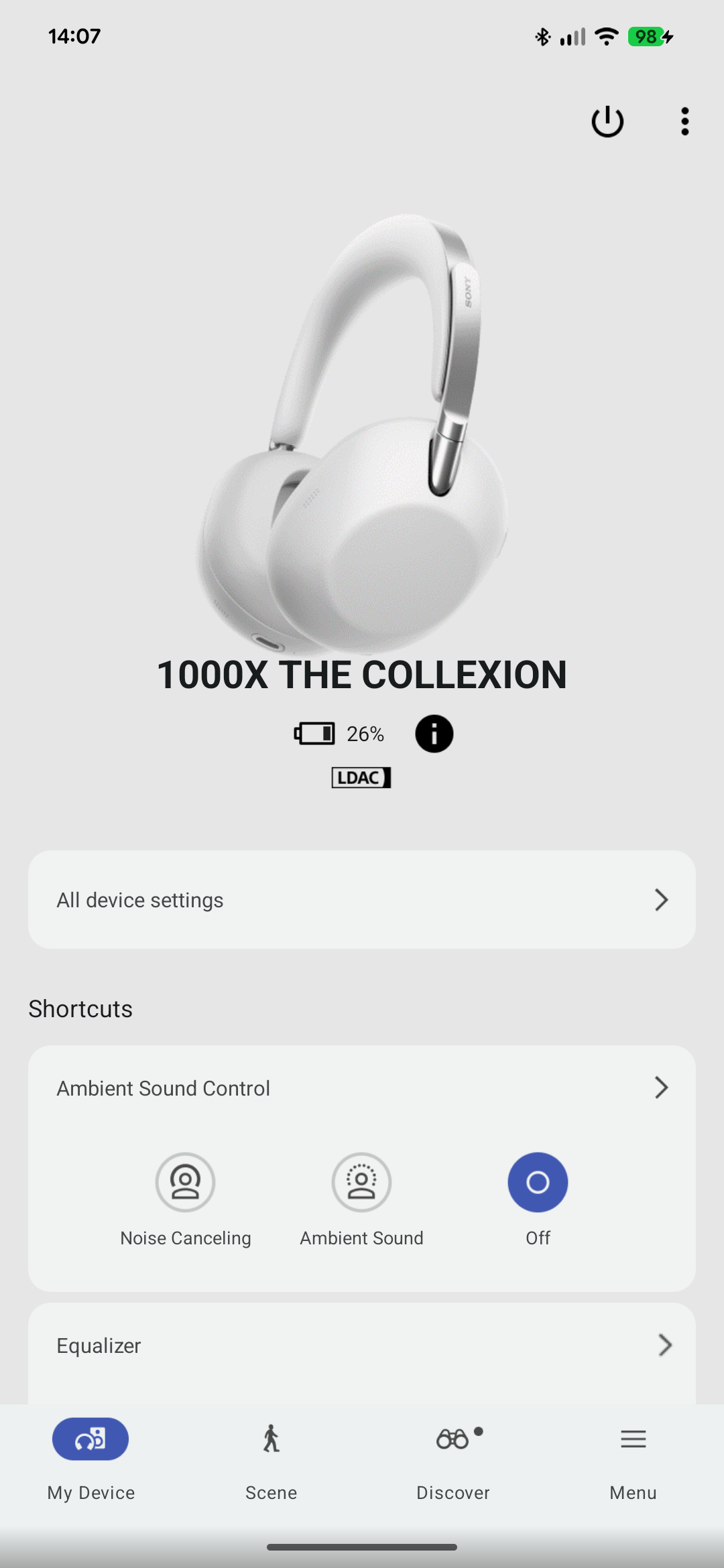
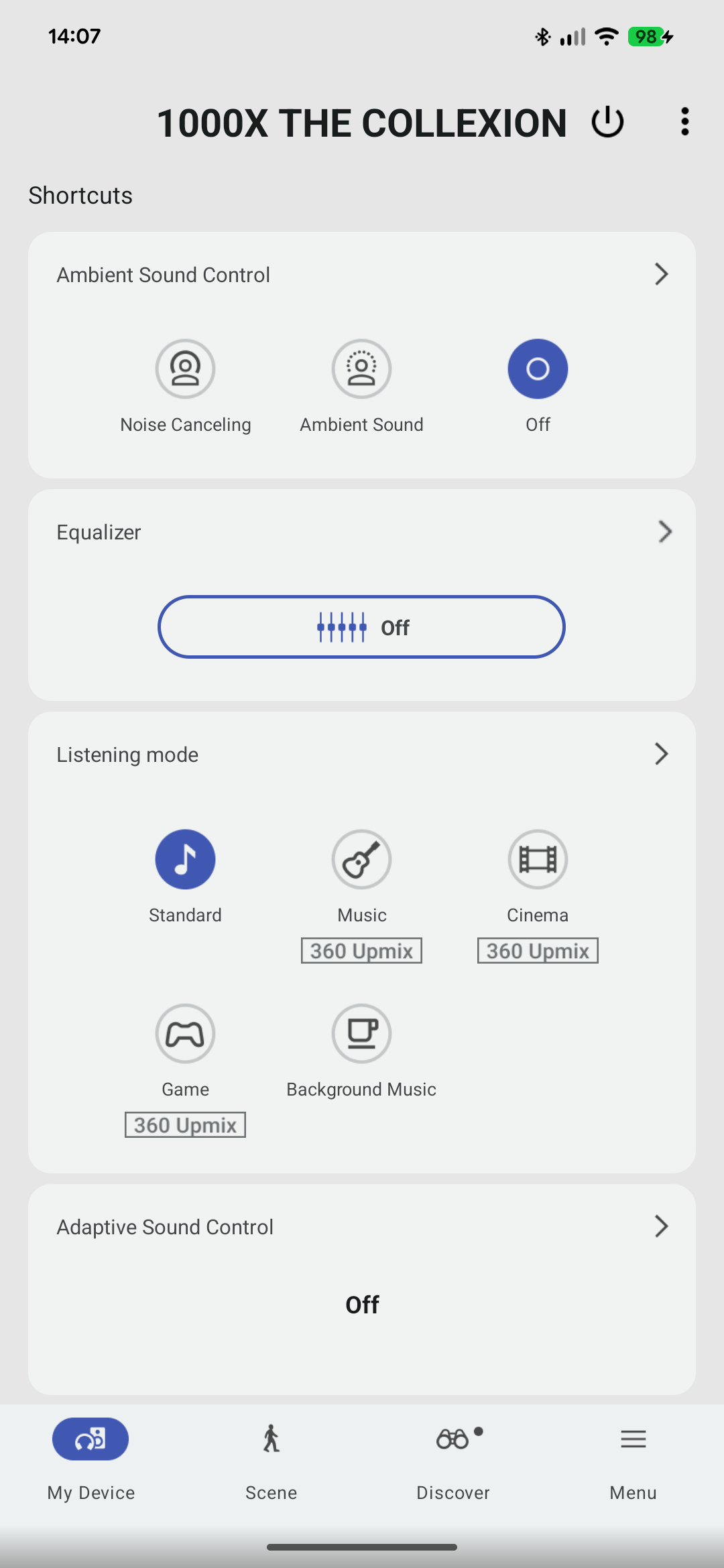
The sound settings include an equaliser, the aforementioned DSEE Ultimate feature (disabled by default), 360 Reality Audio (which allows you to upmix music so that it feels like it’s coming from a variety of points around you, as if you were in the centre of a sphere), and head tracking to manage this. When enabling a custom EQ preset, for some reason volume seems to decrease across the board; in fact, the whole sound seems to subtly change, as if Sony was applying some form of EQ by default and setting a custom EQ disables this. Through the listening mode settings, you can also select cinema and game modes, as well as a “background music” mode which makes music sound more distant, as if you were in an environment like a room, a living room or a café. The idea is that sometimes you want a background rather than something that sounds like in your ears. The effect is quite convincing, although I’m not sure how useful it is.
In the “connection” section you can enable or disable dual-device connectivity, as well as set whether the connection should prioritise sound quality, stability or latency.
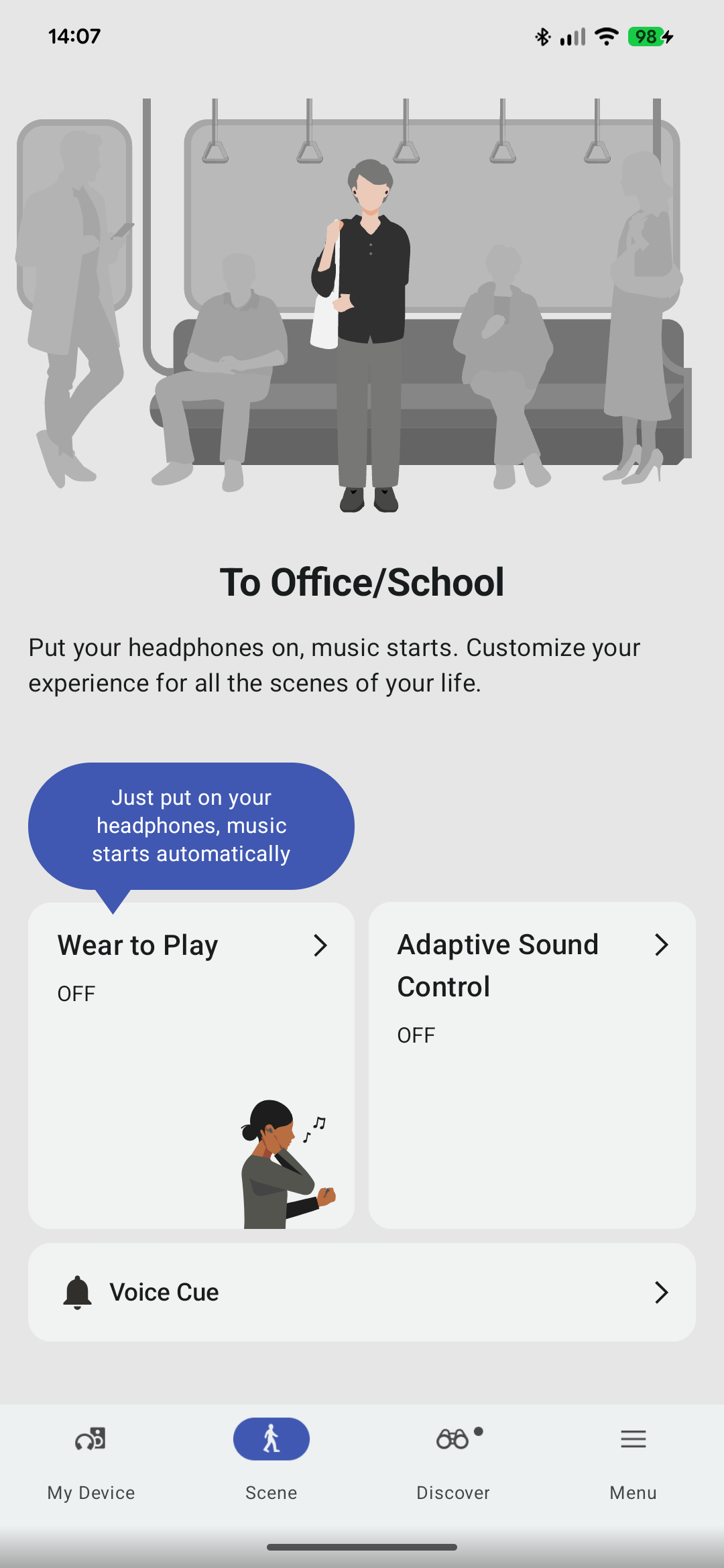
An interesting feature is “wear to play”: you just need to turn on the headphones and put them on for music to start playing. “Adaptive Sound” is another interesting one: if you give the app permission to access your position, it will learn how you use your headphones and automatically enable or disable ANC according to the place you are in (as an example, disable it at home and enable it when you leave).
Sound & Specs
I’ve tested the Sony 1000X THE COLLEXION using my Google Pixel 7 Pro smartphone, my laptop as well as a Hidizs AP80 PRO MAX.
Sony 1000X THE COLLEXION |
| Frequency response | 4 – 40,000 Hz |
| Impedance | 48 Ω |
| Sensitivity | 103 dB |
| Bluetooth version | 6.0 |
| Codecs | SBC, AAC, LDAC, LC3 |
During the aforementioned press preview, Sony called these “the best-sounding headphones we’ve ever made”. I jokingly asked if they had used the MDR-R10 as reference, but what Sony meant is that the 1000X THE COLLEXION are meant to be an improvement in sound performance compared to the other 1000X-series headphones. Indeed, as virtually all manufacturers say, these have been “tuned to reproduce the sound as artists intended”; in order to achieve this, Sony has worked with several producers and mastering engineers to craft the frequency response. Despite this, the 1000X THE COLLEXION sport the usual V-shaped tuning which you can find on countless other headphones, with some twists to the usual formula.
Sony has done a great job with soundstage, as it sounds quite large for a closed-back model: it sounds like you’re in a decently large room which sound completely fills. What it doesn’t have is depth: the stage is entirely bidimensional and sounds like a plane that runs through your ears. I find it interesting that there is no depth, as Sony has angled the drivers inside the earcups so that they’re sitting at roughly 30° from your ears, which should theoretically help giving a larger and especially deeper soundstage. Imaging somewhat makes up for this by offering the full spectrum of left to right positions, and by distinguishing clearly between close and far – a sensation which few headphones have given me so far. Instrument separation is quite see-sawing in its effectiveness, as the tuning was clearly done for specific situations and this sometimes hampers the separation significantly. When it works, which is mostly in relatively simple tracks with vocals accompanies by a couple of instruments, it works very well and you can clearly hear the various instruments; when it doesn’t, which is in more complex and layered tracks, it ends up emphasising one or two instruments and leaving everything else in the background and ground up to a paste where you can’t recognise individual ingredients.
Bass is, in keeping with Sony’s tradition, quite abundant. There is, however, a “but”. It is abundant as long as it is the main component, or that there are few instruments playing. In complex tracks, it is often relegated to the background: as an example, in Perturbator’s Neo Tokyo (where it normally is the star of the show) it is overwhelmed by the other instruments, whereas in Ulver’s Nemoralia it becomes almost overbearing. It is therefore very uneven in its presentation, and this could be an issue with the DSP rather than with the driver itself. Be it as it may, one positive thing (and the one that showcases the goodness of the driver’s design) is that bass has a deep texture. In the aforementioned Nemoralia, the bass line offers a whole lot of detail that pop out. Interestingly, when given the opportunity in tracks with more bass like The Prodigy’s Smack My Bitch Up, bass manages to become quite physical.
Midrange is, for lack of better words, weird. It looks like there are multiple bumps which emphasise things unevenly. Sony boasted during the presentation “greater separation between instruments and vocals” and it looks like they achieved this by altering the tuning and emphasising those frequencies which matter most to vocals. They seem to have done this by inserting a bump in the lower midrange as well as one in the upper one, in areas which correspond to human voices. This has the possibly unwanted effects of sounding worse with music that doesn’t contain (a lot of, or any) vocals. As an example, in Snarky Puppy’s White Cap, the trumpets in the final solo are too emphasised and become overwhelming, making everything else sound distant and hard to reach. Another example is Rodrigo y Gabriela’s Diablo Rojo, where the guitar sounds muted, almost like there is a veil covering it. More generally, the tonality of many instruments seems to be slightly off. On the positive side, however, simpler tracks sound much better, especially if they have vocals: Sony seems to have tuned the 1000X THE COLLEXION specifically for songs, where there is a human voice supported by a couple of instruments. Continuing with the positives, there is a sufficient level of detail and transients are pleasantly fast, although they don’t offer much physicality.
The right hand side of the V, the treble area, is quite emphasised and often becomes prominent. It has a few ups and downs; it goes up quite quickly from the upper midrange area with a peak around 6 kHz, before going down again and having a large spike around 12 kHz, followed by a rapid decrease in the upper area. The spike is large enough that I had to reduce it by 6 dB to make it bearable; if you are sensitive to treble, you probably won’t like these headphones as they can be very aggressive (they do make my ears ring after a few minutes if I don’t use EQ). Overall, treble is quite prominent and often becomes the most highlighted area; if you take out the spike through equalisation, however, it is apparent that it is very uneven and it is often relegated to the background. The level of detail is mediocre at best, as treble often sounds veiled and as if cymbals had been mashed up.
Final Thoughts
The Sony 1000X THE COLLEXION are very stylish and look like jewels. The craftsmanship is evident, especially in the small details like the SONY logo on the headband. The company has even invented a new type of faux leather for these headphones, and made them very thin (compared to their previous model, at least). They also offer great ANC, to the point they’re among the best ANC headphones on the market at the moment. They’re also decently comfortable, even for someone like me who normally finds headphones with a traditional headband like these very uncomfortable.
They also have a lot of flaws, however. The premium build feels less premium when you look at the earpads; there is no USB-C audio input; passive isolation is limited and doesn’t help reduce the volume of sounds not covered by ANC like voices; the tuning is quite clearly orientated towards some genres (mostly modern, like hip hop and contemporary pop) and therefore it sounds weird with many others, while also having large spikes that make it fatiguing over the long term. From a purely acoustic perspective, the 1000X THE COLLEXION are definitely not aimed at audiophiles who want a neutral signature.
The Sony 1000X THE COLLEXION are a fashion statement, a luxury piece, a nice object that is good to look at and feels stylish. They’re good at that. They’re less good when it comes to sound. Everyone has their priorities, so you should be certain of yours when you buy these.




Need to list supported bluetooth profiles.XM6 is notable for missing a gaming audio profile (GMAP) with bluetooth LE’s LC3 codec.
Both XM6 and XX got an update with the GMAP profile.
At the moment, the FlooGoo FMA120 works 100% via LC3 + GMAP.
Given how you criticize the depth and sound in general, it would really help to mention couple of models that you think are doing it better. Without it, the article looks like angry pointless trolling. As I’m lookin into buying these, I’ve watched and read many reviews. Literally NOBODY was as harsh on the sound and I wonder why? Now I do have couple of headphones that (should) sound better, but these are all wired and require pre-amp to really open up. And a quiet room. And not just any recording to really enjoy the sound. But, comparing such to bluetooth ANC headphones is entirely pointless. And, by end of the day, the difference to, say, MX5 or Airpods Max 2 isn’t as of an abyss. So quite puzzled about your criticism:(
Hello Eugene,
It’s funny, given how, at the event in London where Sony introduced these, every single journalist I spoke to made comments similar to the ones I’ve offered here!
As for your question: I think that the JBL Live 780NC do what the Sony wanted to do in terms of frequency response, but better. There is no crater in the mid-midrange and they sound a lot more balanced. The Sony deliver better detail, but in terms of pure frequency response the JBL are better, and they can also easily be tamed to a more neutral response through the stock EQ profiles. I’m still very much a fan of Cleer headphones, too, and the 1More SonoFlow line-up is quite good, too. And all of these cost a fraction of the 1000X THE COLLEXION. I haven’t tested the AirPods Max so I can’t offer a comment on those. From what I have read, the Sennheiser HD630B are great, but again I haven’t tried them personally.
I’ve taken a look at other reviews published online and you are right in that most of them appears to be positive, at least among the written ones (I don’t have the patience to watch videos so I haven’t checked those). That comes down to several factors, but I’ll give you further explanation of my criticism: at more than $600, I expect sound to be excellent. The thing is that 1000X THE COLLEXION simply do not offer excellent sound, period. There are measurements out there you can compare to my description and you’ll see that my analysis was quite accurate (save for the 12 kHz spike: I might just be overly sensitive to those frequencies and I have no issue saying that I got that wrong), which means that these headphone do not deliver the kind of balanced, accurate sound profile I expect for over $600. That’s simply it. If Sony had priced them at $400, I would have offered different comments, but at $600+ they’re right at the top of the mainstream market and this means that they need to be basically perfect, and they’re not. I hope this helps!